High electricity costs, unstable grids, and growing EV charging demand can put real pressure on a business. Without a way to store power, companies may waste solar energy, pay high demand charges, and struggle during outages. A well-designed energy storage system turns these problems into manageable energy decisions.
Eine Energiespeichersystem captures electricity when it is available or inexpensive, stores it, and supplies it when demand rises. A battery energy storage system combines battery modules, power conversion equipment, a battery management system, and energy management software to support peak shaving, backup power, renewable energy use, EV charging, and microgrid operation.

Was ist ein Energiespeichersystem?
Eine Energiespeichersystem saves energy so it can be used later. It works like a water tank, but instead of storing water, it stores usable energy. The system may charge when electricity prices are low, when solar production is high, or when the grid has extra capacity. It then releases that stored energy when power is expensive, unavailable, or needed quickly.
The U.S. Department of Energy explains that energy storage plays an important role in keeping electricity systems reliable, flexible, and balanced. Storage can respond quickly when supply and demand change, which is useful for factories, commercial buildings, renewable energy projects, and local power networks.
Energy storage is not limited to one technology. Batteries are now the most visible option, but systems can also store energy through water, heat, compressed air, flywheels, or hydrogen. For most commercial and industrial sites, however, a **battery energy storage system** offers an attractive mix of fast response, modular design, compact installation, and intelligent control.
At SCHATTENBLICK, we focus on integrated B2B systems that connect the battery, BMS, EMS, power conversion equipment, and project controls. This approach matters because a storage project is not simply a battery purchase. It is a complete operating system for managing electricity.
Wie funktioniert ein Batterie-Energiespeichersystem?
Abattery energy storage system, often called BESS, moves electricity through four basic stages:
1. Electricity enters the system from the grid, solar panels, or another source.
2. The power conversion system changes the electricity into a form the battery can store.
3. The battery stores the energy until it is needed.
4. The system converts and releases the electricity to the building, equipment, EV chargers, or grid.
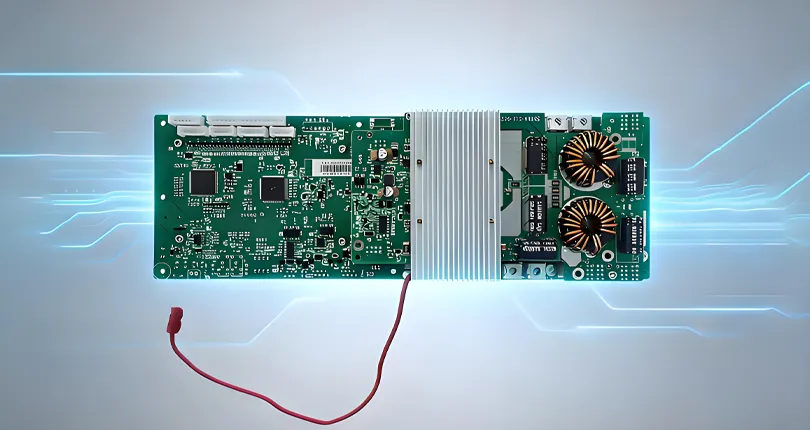
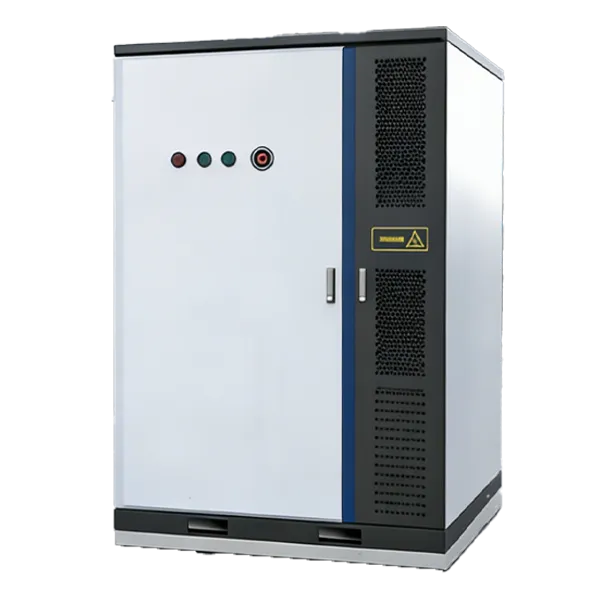
A commercial BESS normally includes more than battery cells. The complete system may contain battery modules, racks, a power conversion system, switchgear, thermal management, fire protection, a battery management system, and an energy management system.
| Main component |
Basic function |
| Battery cells and modules |
Store electrical energy |
| Battery racks |
Organize modules into a larger battery system |
| BMS |
Monitors voltage, current, temperature, and battery condition |
| PCS or inverter |
Converts electricity between AC and DC |
| EMS |
Controls charging, discharging, schedules, and operating modes |
| Wärmemanagement |
Controls battery temperature |
| Protection equipment |
Isolates faults and supports safe operation |
| Monitoring platform |
Shows alarms, data, trends, and system status |
The battery management system, or BMS, protects the battery at the cell, module, and rack levels. It monitors operating conditions and helps prevent unsafe charging or discharging. The energy management system, or EMS, looks at the larger project. It decides when the BESS should charge, when it should discharge, and which loads should receive power.
The system may follow a daily schedule, react to electricity prices, support a solar power plant, or provide fast backup during a grid event. This is why BESS is both an electrical product and a software-controlled energy asset.
What Are the Main Benefits of Energy Storage Systems?
The benefits of energy storage systems depend on the site, electricity tariff, operating schedule, and system design. A factory may focus on peak demand. A warehouse may need backup power. An EV depot may need help managing a large charging load.
The most common benefits include:
- Peak shaving: Discharge stored power when site demand reaches an expensive peak.
- Energy shifting: Charge during low-price hours and discharge during high-price hours.
- Backup power: Support selected loads when grid power fails.
- Solar self-consumption: Store extra solar electricity for later use.
- Grid capacity support: Reduce pressure on transformers and electrical connections.
- EV charging support: Supply part of the load created by DC fast chargers.
- Power quality support: Help stabilize short-term changes in power demand.
- Microgrid operation: Coordinate local generation, storage, loads, and charging equipment.
Research from NREL has found that commercial customers facing high demand charges may reduce total electricity costs by using battery storage to manage peak demand. Actual savings depend on local tariffs, system size, operating strategy, and site load patterns.
One of the biggest benefits of energy storage is flexibility. A BESS does not have to perform only one task. The same system may support peak shaving during normal operation, absorb solar electricity at midday, and reserve part of its capacity for backup power.
That said, one system cannot maximize every function at the same moment. Good engineering means setting priorities. For example, using the full battery for energy trading may leave less backup capacity during an outage. The EMS must balance these goals based on the customer’s real business needs.
What Types of Energy Storage Systems Are Available?
There are several types of energy storage systems**, and each one stores energy differently.
| Storage type |
How it stores energy |
Common use |
| Lithium-ion battery |
Chemical energy |
C&I storage, EV charging, homes, grid projects |
| Flow battery |
Liquid electrolyte |
Long-duration stationary storage |
| Lead-acid battery |
Chemical energy |
Backup power and smaller systems |
| Pumped hydro |
Water at different heights |
Large power grids |
| Compressed air |
Pressurized air |
Large-scale, long-duration storage |
| Flywheel |
Rotating mechanical energy |
Fast response and power quality |
| Thermal storage |
Heat or cold |
Buildings and industrial processes |
| Hydrogen storage |
Chemical fuel |
Long-duration or sector-coupled applications |
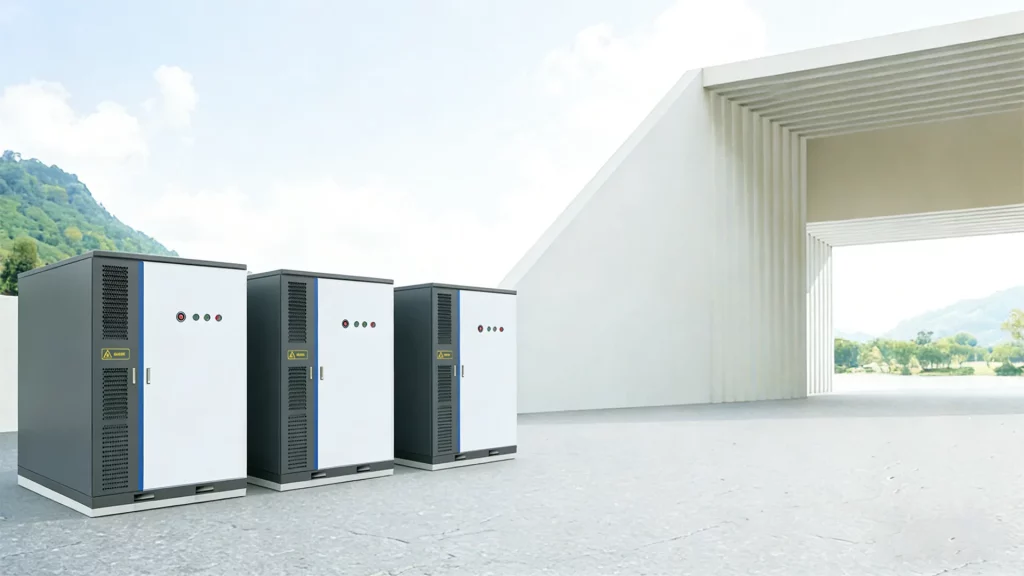
For commercial and industrial projects, lithium-ion batteries are widely used because they respond quickly, require relatively little space, and can be installed in modular cabinets or containers. A lithium battery energy storage system can also be scaled by adding more battery racks, cabinets, or power conversion equipment.
Lithium iron phosphate, often shortened to LFP or LiFePO₄, is commonly selected for stationary storage projects because project developers value its thermal stability and cycle performance. Chemistry alone, however, does not define system safety. Cell quality, BMS design, thermal management, electrical protection, installation, commissioning, and long-term maintenance all matter.
Other technologies may be better for very long storage periods. Flow batteries, pumped hydro, compressed air, and hydrogen can suit projects that require many hours or days of stored energy. The right choice depends on space, project duration, response time, budget, local conditions, and operating goals.
Where Does Commercial and Industrial Battery Storage Create Value?
A commercial energy storage system creates the most value when it solves a measurable operating or financial problem. The starting point should not be the cabinet size. It should be the facility’s electricity data.
A manufacturing plant may have short but costly load peaks when large motors and production lines start. A cold-storage warehouse may need stable power for refrigeration. A commercial building may want to store rooftop solar energy. An EV fleet depot may need fast charging without placing too much stress on the grid connection.
Typical applications include:
Manufacturing plants
An industrial energy storage system can reduce peak demand and help support critical production equipment. It can also work with rooftop solar and provide controlled backup for selected loads.
Warehouses and logistics centers
Battery storage can support refrigeration, automation systems, forklifts, AGVs, lighting, and EV delivery fleets. The EMS can coordinate building loads with charging schedules.
Commercial buildings
Office buildings, shopping centers, hotels, and mixed-use developments can use storage to manage HVAC peaks, elevators, lighting, solar generation, and charging stations.
Data centers and communication sites
Storage can support power quality, resilience, and local energy management. The exact relationship between BESS, UPS equipment, and standby generation must be engineered carefully.
EV charging depots
Battery storage can charge slowly when electricity demand is low, then discharge quickly when several EV chargers operate at once. This can reduce sudden grid demand and help delay expensive electrical upgrades.
An illustrative example makes the value easier to understand.
Illustrative factory case: A factory has a stable base load but experiences a sharp peak each afternoon. A BESS charges during lower-demand hours and discharges during the afternoon peak. The factory lowers its grid demand without changing the production schedule.
The actual financial result would depend on the tariff, battery size, efficiency, cycle strategy, financing cost, and maintenance plan. This is why a proper feasibility study should come before a final quotation.
What Makes a Battery Storage System Safe and Reliable?
A safe battery storage system depends on layers of protection. No single component can manage every risk.
The first layer begins with suitable cells and a controlled battery pack design. The BMS then monitors cell voltage, temperature, current, and communication status. The electrical system adds breakers, fuses, contactors, isolation, and emergency shutdown functions. Thermal management controls operating temperature, while alarms and monitoring tools help operators respond to abnormal conditions.
Important safety and reliability areas include:
- Cell and module traceability
- BMS protection logic
- Temperature monitoring
- Cooling or heating control
- Electrical isolation
- Overcurrent protection
- Insulation monitoring
- Emergency shutdown
- Fire detection and suppression design
- Access control
- Fernalarme
- Factory and site acceptance testing
The U.S. Department of Energy identifies safety, reliability, performance improvement, and secure deployment as major priorities for energy storage development.
At TREASURE, we view BMS, EMS, battery PACK design, cabinet integration, and testing as connected engineering tasks. This integrated approach allows a project team to match the protection strategy, communication interfaces, controls, and operating logic instead of treating them as unrelated parts.
Buyers should also review local grid rules, electrical codes, fire requirements, transportation requirements, and market-specific certifications. Compliance needs vary by country and project type, so they should be confirmed before production and installation.
How Should a Business Size an Energy Storage System?
Correct sizing starts with data. Installing a battery that is too small may provide little value. Installing one that is too large can increase project cost without creating enough extra benefit.
Two numbers are especially important:
Power, measured in kW: How much electricity the system can deliver at one moment.
Energy, measured in kWh: How much electricity the battery can store.
A 100kW/233kWh system, for example, has a rated power value of 100kW and an energy value of 233kWh. Those numbers do not alone explain how the system will perform. The usable energy window, efficiency, operating reserve, temperature, load shape, and control strategy must also be considered.
A sizing study should review:
- At least 12 months of electricity bills
- Interval load data, ideally in 15-minute or shorter steps
- Peak demand timing
- Electricity prices and demand charges
- Existing and planned solar capacity
- Critical backup loads
- Outage history
- EV charging demand
- Transformer and grid connection limits
- Future expansion plans
The U.S. Department of Energy has published a method for evaluating deployed BESS and solar-plus-storage performance, showing why system results should be measured against real operating data rather than nameplate figures alone.
A professional manufacturer or system integrator should explain the assumptions behind the recommended configuration. Buyers should be able to see why a certain power rating, energy capacity, and control strategy were selected.
How Can Battery Storage Support EV Charging and Microgrids?
EV charging can create a large and concentrated electrical load. A depot may have dozens of vehicles returning within the same short period. Several DC fast chargers operating together can push the site above its normal demand level.
A BESS can help by charging when demand is lower and supporting the chargers during busy periods. The EMS can coordinate the grid, battery, chargers, solar generation, and building loads.
A typical EV charging energy flow may look like this:
Grid ───────────────┐
│
Solar PV ──> EMS ──> BESS ──> DC Fast Chargers ──> EV Fleet
│
Building Loads ─────┘
This combination can support:
- Fixed DC charging stations
- Mobile EV charging robots
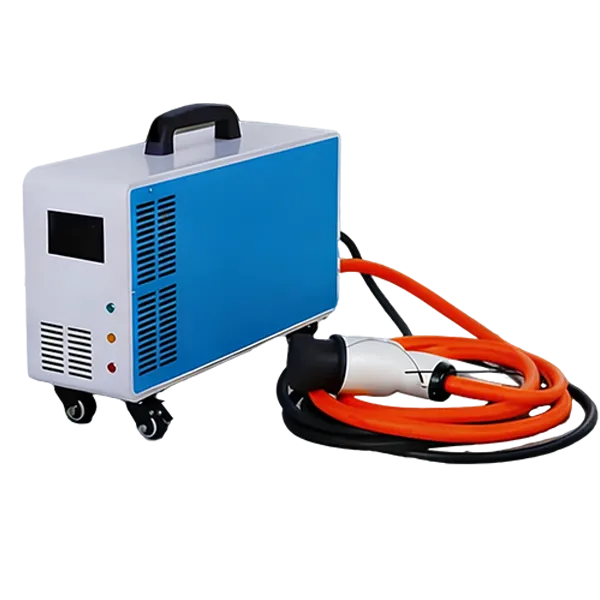
- Portable DC fast chargers
- Fahrzeugmontierte Notstromaggregate
- V2V-Ladeeinrichtungen
- Fleet charging schedules
- Solar-powered charging
- Emergency and overflow charging
NREL research tools examine how battery and thermal storage can reduce cost and grid impact from large electricity loads, including vehicle charging, data centers, industrial manufacturing, and remote operations.
Battery storage is also a core part of many microgrids. A microgrid combines local energy resources and loads under one control system. It may remain connected to the main grid during normal operation and operate independently when required.
For factories, industrial parks, warehouses, and EV depots, this creates a practical path toward better resilience and more flexible energy use. Solar panels generate electricity, the battery shifts it across time, and the EMS decides how to use it.

What Should Buyers Ask an Energy Storage System Manufacturer?
Choosing an energy storage system manufacturer is not only a price comparison. The lowest equipment price may become expensive if the system is difficult to integrate, poorly documented, delayed, or unreliable.
Buyers should ask:
* Does the manufacturer develop its own BMS or EMS?
* Can it explain the complete system architecture?
* Which functions are standard, optional, or customized?
* How are cells, modules, and critical parts traced?
* What testing is completed before shipment?
* What is included in the delivery scope?
* Which communication protocols are supported?
* How will the system connect with PV, chargers, meters, or SCADA?
* What remote monitoring functions are available?
* Who supports installation and commissioning?
* What spare parts and technical support are available?
* Which project data are required before sizing?
TREASURE serves B2B customers with commercial and industrial BESS, battery PACKs, BMS/EMS management, mobile charging robots, 7kW/20kW portable DC charging equipment, vehicle-mounted emergency power units, and V2V charging products.
Our role is not limited to supplying equipment. We work around the project requirement: load profile, energy goals, site layout, charging demand, communication needs, local standards, and future expansion.
A good turnkey proposal should clearly define:
| Project item |
What the proposal should explain |
| System size |
Rated power and energy capacity |
| Main equipment |
Battery, PCS, BMS, EMS, protection equipment |
| Operating modes |
Peak shaving, backup, solar use, EV charging |
| Integration |
Grid, PV, loads, chargers, and monitoring |
| Delivery scope |
Included equipment, documentation, and services |
| Testing |
Factory testing and site acceptance requirements |
| Unterstützung |
Commissioning, training, spare parts, and remote service |
This level of clarity reduces project risk and makes technical comparisons easier.
Frequently Asked Questions About Energy Storage Systems
How long can an energy storage system provide power?
It depends on battery capacity and connected load. A 200kWh usable battery could theoretically support a 100kW load for about two hours, before accounting for efficiency, reserve limits, and operating conditions.
Is a battery energy storage system the same as a UPS?
No. A UPS normally provides immediate short-duration protection for sensitive equipment. A BESS may perform broader functions such as peak shaving, solar energy shifting, microgrid support, EV charging, and longer backup operation.
Can battery storage lower electricity bills?
It can when the tariff rewards peak reduction, time-of-use shifting, solar self-consumption, or other services. Savings depend on site data and local electricity rules.
Can an energy storage system operate without solar panels?
Yes. A BESS can charge from the grid and support peak shaving, backup power, EV charging, or other applications. Solar is optional.
What is the difference between kW and kWh?
kW measures power, or how quickly energy is delivered. kWh measures stored energy, or how much energy is available over time.
Can an existing system be expanded later?
Many modular battery systems can be expanded, but the original design must consider PCS capacity, voltage, communication, space, thermal management, and electrical protection. Expansion should be planned before installation.
Build an Energy Storage System Around Your Real Operating Needs
An energy storage system can reduce energy costs, improve resilience, support renewable energies, and make EV charging easier to deploy. But value does not come from battery capacity alone. It comes from matching the system to the site, tariff, load profile, operating schedule, and long-term business plan.
At TREASURE, we combine battery PACKs, BMS/EMS management, C&I battery energy storage systems, EV charging equipment, mobile charging products, and project deployment support. This allows factories, warehouses, commercial buildings, fleet operators, system integrators, and OEM partners to build one connected energy platform instead of purchasing isolated devices.
To prepare a practical system proposal, start with five items: your site type, electricity load data, target power and capacity, existing solar or charging equipment, and main project goal. With those details, the correct architecture becomes much easier to define.

 Mobile EV-Laderoboter
 Fahrzeugmontierte Notstromversorgung
 Energiespeichersysteme
 EV DC Ladegeräte Katalog
 V2V DC Ladegeräte