Power costs rise. Grid capacity becomes limited. EV charging demand grows faster than many sites can handle. For factories, commercial buildings, fleets, and microgrid projects, an energy storage system is no longer just backup power — it is a smarter way to control energy.
An energy storage system stores electrical energy and releases it when needed. A battery energy storage system uses batteries, BMS, EMS, PCS, thermal control, and safety systems to support peak shaving, renewable energy use, backup power, EV charging, and long-term energy management for commercial and industrial sites.
What Is an Energy Storage System for Commercial and Industrial Users?
An energy storage system helps a site store energy and use it later. For a home, this may mean storing solar power for night use. For a factory, warehouse, commercial building, EV depot, or industrial park, the value is bigger. It can reduce peak power pressure, improve backup capability, support renewable energy, and make energy usage easier to manage.
For B2B users, energy storage is not just about batteries. It is about solving real site problems. A factory may face high peak demand charges. A parking facility may need DC fast chargers but have limited grid capacity. A logistics fleet may need charging support during busy hours. A microgrid project may need stable power from solar and wind energy.
This is where TREASURE positions its solutions. As a B2B manufacturer, TREASURE provides commercial and industrial energy storage systems, EV charging solutions, mobile charging robots, portable DC fast chargers, vehicle-mounted emergency power units, V2V charging equipment, battery packs, and BMS/EMS management platforms.
Why Is a Battery Energy Storage System Becoming a Better Choice for B2B Projects?
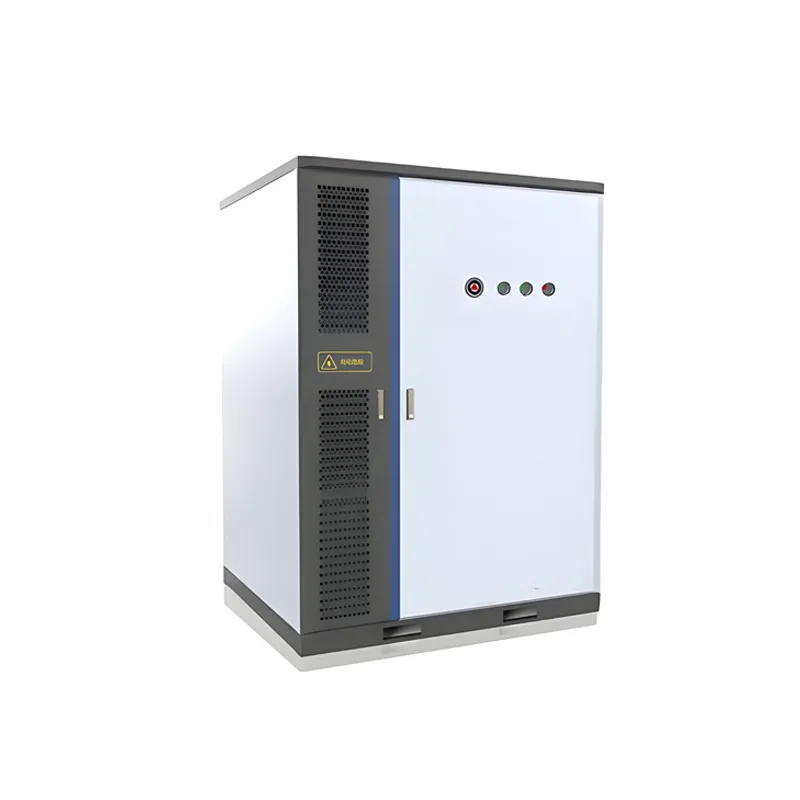
A battery energy storage system is one of the most practical storage technologies for commercial use. It can be installed in cabinets, containers, mobile units, or integrated project systems. Compared with some traditional storage methods, battery storage is flexible, modular, and easier to match with different project sizes.
A modern BESS can store electrical energy when power is cheaper, cleaner, or more available. Then it sends that power back when the site needs it. This helps users manage energy demand, reduce energy costs, support clean energy, and improve power reliability.
For many overseas buyers, the real question is not “Do I need batteries?” The better question is: “How can I build a safer, smarter, and easier-to-manage energy system?” That is why TREASURE focuses on turnkey design, including battery packs, battery management system, energy management system, power conversion system, thermal management system, cabinet structure, testing, and deployment support.
How Does a Battery Energy Storage System Work?
A battery energy storage system stores energy in the form of chemical energy. When electricity enters the battery, it is converted into stored chemical energy. When the site needs power, the system releases the energy and the PCS converts it back into electrical energy.
In simple terms, BESS works through four steps:
- Charge from grid power, solar energy, or other energy resources
- Store energy inside lithium-ion batteries or LiFePO4 battery packs
- Manage charging and discharging through BMS and EMS
- Discharge power to loads, EV chargers, microgrids, or the grid
The battery management system protects the battery system by monitoring voltage, current, temperature, and safety status. The energy management system controls operation strategy, such as peak shaving, solar self-use, backup power, and charging schedule. These management systems are key to system safety and daily performance.
For B2B projects, this control layer is very important. A battery cabinet without smart control is only hardware. A complete BESS with EMS becomes a working energy asset.
How Does Energy Storage Support Renewable Energy Integration?
Renewable energy is useful, but it is not always stable. Solar power changes with sunlight. Wind power changes with weather. This creates a timing problem: the energy generated may not match actual energy demand.
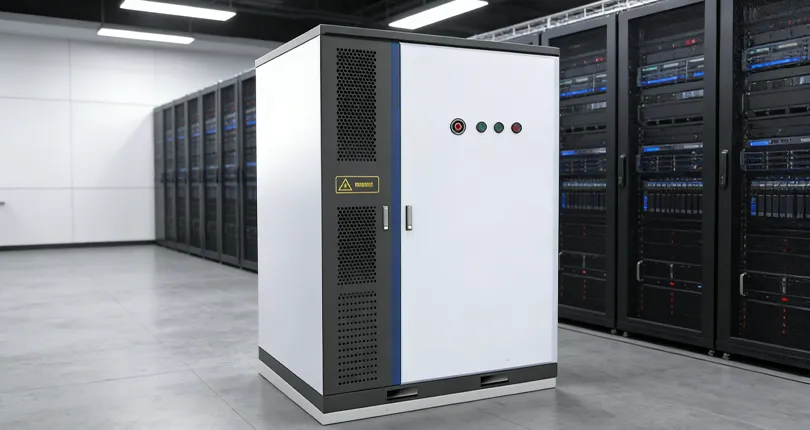
An energy storage system helps solve this problem. It can store excess energy from renewable energy sources during high generation periods and release it when needed. This supports renewable energy integration and improves the value of solar and wind projects.
For example, a factory with rooftop solar may produce more solar energy at noon than it can use. Without storage, some of that power may be exported at low value or wasted. With BESS, the factory can store excess energy and use it later during peak production or evening operation.
For microgrid projects, this role becomes even more important. Storage systems help connect renewable sources, loads, backup power, EV chargers, and the power system into one coordinated platform. This is the foundation of seamless integration of renewable energy in industrial parks, remote sites, and commercial energy projects.
How Can Battery Storage Improve EV Charging Projects?
EV charging demand can put heavy pressure on local grid capacity. A DC fast charger may need high power in a short time. If several vehicles charge together, the load can rise quickly. This can increase costs or require expensive grid upgrades.
Battery storage helps by acting as an energy buffer. It charges when grid demand is lower, then releases power during vehicle charging. This makes EV charging more flexible and easier to deploy in locations with limited power capacity.
TREASURE supports several EV charging project directions:
- Mobile EV charging robots for parking lots, depots, emergency charging, and on-demand charging
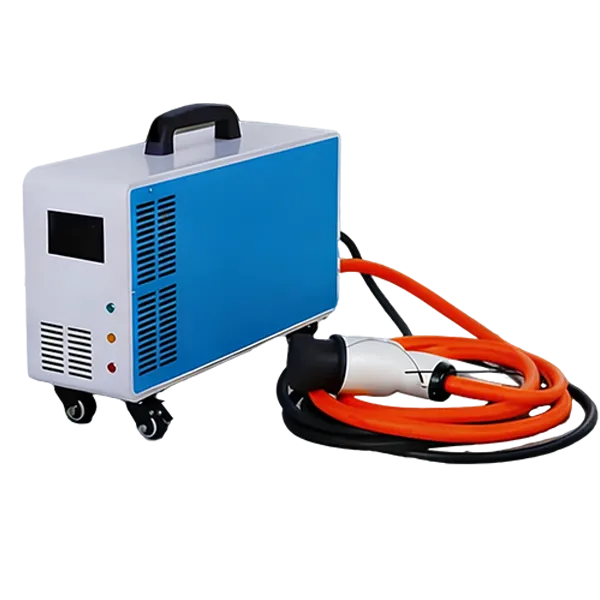
- Portable DC fast chargers such as 7kW and 20kW units for temporary or flexible charging
- Vehicle-mounted emergency power units for roadside rescue and fleet backup
- V2V charging equipment for vehicle-to-vehicle energy transfer
- BESS + DC fast charger systems for commercial EV charging stations
This combination helps buyers build more flexible EV charging networks. Instead of relying only on fixed grid infrastructure, customers can use battery powered mobile charger units, portable DC EV charger systems, or integrated BESS charging stations to improve service coverage.
What Should Buyers Check Before Choosing a Battery Storage System?
Choosing a battery energy storage system is not just choosing kWh. A system with the same energy capacity may perform very differently depending on PCS power, cooling design, EMS logic, battery quality, safety systems, and project integration.
Before starting a project, buyers should prepare basic information:
- Site type: factory, warehouse, building, fleet depot, parking facility, or microgrid
- Load profile: peak demand, daily usage, and key backup loads
- Power target: required output power and runtime
- Renewable energy plan: solar, wind, or other clean energy sources
- EV charging demand: charger power, number of vehicles, charging time
- Grid condition: voltage, transformer capacity, and local rules
- Installation environment: indoor, outdoor, temperature, humidity, and space
- Operation goal: peak shaving, backup, solar storage, EV charging, or energy arbitrage
This information helps the manufacturer design the right system. For example, a factory peak shaving system may need a different control strategy from a roadside EV emergency charging unit. A microgrid solution may need more advanced EMS functions than a simple backup system.
TREASURE can support this early technical discussion. The company’s role is to help buyers turn rough demand into a workable system configuration.
Why Choose TREASURE as an Energy Storage System Manufacturer?
When buyers choose an energy storage system manufacturer, they are not only buying equipment. They are choosing a technical partner. The right partner should understand batteries, BMS, EMS, EV charging, project deployment, and after-sales support.
TREASURE is suitable for overseas B2B buyers because its business direction covers both BESS and EV charging. This makes it easier to build integrated systems for factories, commercial buildings, fleets, parking facilities, and microgrid projects.
Key advantages include:
- Commercial and industrial energy storage system design
- Battery energy storage system BESS integration
- Battery pack OEM and custom lithium battery pack support
- BMS and EMS development capability
- Mobile EV charging system manufacturing
- Portable DC fast charger and EV DC charging solution support
- Vehicle-mounted emergency power supply options
- V2V charger and mobile V2V EV charging solution direction
- Turnkey project support from configuration to deployment
- OEM/ODM customization for system integrators and partners
This makes TREASURE more than a battery supplier. It is a solution provider for energy storage and EV charging infrastructure.
How to Start a Custom Energy Storage or EV Charging Project?
Starting a project does not need to be complicated. The buyer can begin with a simple project description. TREASURE can then help review the technical direction and recommend a suitable solution.
Useful inquiry information includes:
- Project country and installation site
- Application type: factory, warehouse, parking lot, fleet depot, commercial building, microgrid, or roadside charging
- Required battery capacity or expected backup time
- Power demand or charger power
- Solar or renewable energy input
- Grid voltage and available transformer capacity
- Indoor or outdoor installation
- Need for mobile charging, fixed DC charging, V2V charging, or BESS
- OEM/ODM customization requirements
- Target delivery and deployment schedule
For many buyers, the first step is not a final specification. It is a technical conversation. TREASURE can help turn project goals into a practical energy storage solution.
FAQs
What is the difference between an energy storage system and a battery energy storage system?
An energy storage system is a broad term for systems that store energy for later use. A battery energy storage system uses batteries, BMS, EMS, PCS, and safety systems to store and release electrical energy for commercial, industrial, renewable energy, and EV charging applications.
Can an energy storage system work with EV charging stations?
Yes. Energy storage can work with EV DC chargers, mobile EV chargers, portable DC chargers, and fleet charging systems. It helps reduce grid pressure, improve charging flexibility, and support commercial EV charging station projects.
Is battery storage suitable for factories and warehouses?
Yes. Battery storage is suitable for factories and warehouses that want peak shaving, backup power, solar self-consumption, energy cost control, or better power reliability. The system should be designed according to load profile, power demand, and site conditions.
Can TREASURE customize energy storage systems?
Yes. TREASURE supports customized BESS, battery packs, BMS/EMS platforms, mobile charging units, EV DC charging solutions, and OEM/ODM project requirements. Customization can include capacity, power, cabinet design, communication interface, control logic, and branding.
What information should I provide before requesting a quotation?
You can provide the site type, project location, required capacity, power demand, application goal, EV charging needs, solar input, grid condition, installation environment, and any OEM/ODM requirements. This helps TREASURE recommend a more accurate solution.
Why combine energy storage with renewable energy?
Renewable energy sources such as solar and wind are not always stable. An energy storage system can store excess energy and release it later. This supports renewable energy integration, improves clean energy use, and increases energy independence.

 Mobile EV Charging Robots
 Vehicle-Mounted Emergency Power Supply
 Energy Storage Systems
 EV DC Chargers Catalog
 V2V DC Charging Equipment