EV demand is growing, but fixed chargers cannot reach every vehicle, parking space, fleet yard, or roadside emergency. When charging access is limited, downtime rises fast. Mobile EV charging brings power closer to the vehicle and helps operators keep EVs moving.
Mobile EV charging is a flexible charging solution that uses portable DC chargers, mobile charging robots, vehicle-mounted emergency power units, or V2V equipment to deliver energy to electric vehicles where fixed charging stations are unavailable, overloaded, or too slow to deploy.
What Is Mobile EV Charging and Why Is It Growing?
Mobile EV charging means bringing charging equipment to the vehicle instead of forcing every vehicle to find a fixed charging station. It can be a mobile unit, a charging van, a portable EV charger, a battery-powered robot, or a vehicle-mounted emergency power supply. For many sites, this is not a replacement for fixed chargers. It is a smart support layer.
EV adoption is rising worldwide. The International Energy Agency reported that global electric car sales topped 20 million, and one in four new cars sold worldwide was electric. This growth creates a clear need for more flexible electric vehicle charging models, especially for fleets, commercial buildings, parking facilities, roadside services, and locations where fixed charging stations are not enough.
For B2B buyers, the question is simple: how do you keep vehicles charged when grid capacity, parking layout, emergency needs, or installation time becomes a problem? Mobile EV charging solutions answer that question by adding flexible power delivery to the overall charging ecosystem.

When Does a Mobile EV Charging Service Make Sense?
A mobile EV charging service makes sense when fixed charging is not convenient, not available, or not fast enough to match real business needs. This can happen in a shopping mall parking lot, logistics depot, airport, port, office park, industrial area, highway rescue scenario, or temporary event site.
For example, an EV owner may search for “EV charging near me” but find no available charging station nearby. A commercial operator may have chargers, but they are far from certain parking zones. A fleet may need charging in different locations during the day. In these cases, mobile charging reduces the need to move vehicles around only to find power.
A charging service also makes sense when a site wants to test EV demand before investing in fixed infrastructure. Instead of building many fixed charging stations first, operators can start with portable charging systems or a mobile EV charger, collect usage data, and then decide where permanent chargers should be installed.
How Does Mobile Charging Support Fleet Charging?
For a fleet, downtime is expensive. Delivery vans, service vehicles, airport vehicles, port vehicles, buses, and work trucks need charging that fits the operating schedule. If the vehicles wait too long for power, the whole service plan can slow down.
Mobile charging helps fleet operators move from “vehicles must go to chargers” to “charging can come closer to vehicles.” This is especially useful for depots with limited charger positions, mixed parking zones, or changing routes. A fleet charging setup can use mobile chargers during peak hours and fixed chargers during scheduled parking time.
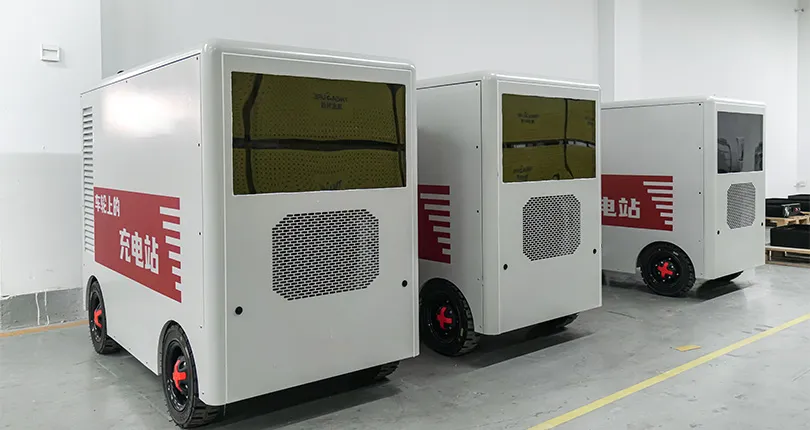
TREASURE supports charging for fleets through mobile EV charging robots, portable DC fast chargers, vehicle-mounted emergency power units, V2V charging equipment, and BESS-supported charging systems. This allows a fleet operator to create a stronger charging strategy without depending only on fixed charging stations.
How Can Emergency EV Charging Reduce Downtime?
A dead EV battery creates a different kind of roadside problem. With fuel vehicles, a service provider can bring fuel. With an electric vehicle, the operator needs portable power or EV towing. Towing works, but it takes time, costs more, and creates a poor user experience.
Emergency EV charging gives service providers another option. A vehicle-mounted emergency power supply or V2V DC charging unit can provide enough power to move the vehicle to a safer place or reach a nearby charging station. This is where emergency mobile EV charging becomes valuable.
For fleet operators, this is not only about roadside rescue. A fleet vehicle can also run low on power inside a depot, warehouse area, airport, or job site. Emergency charging can reduce lost time and keep the operation moving. In simple words, mobile charging sends energy to your EV instead of sending the EV away for energy.
Why Do Parking Facilities Need Mobile Charging Options?
Parking facilities face a common challenge. EV drivers want charging, but not every parking space can have a fixed charger. Installing fixed chargers across a large site may require civil work, wiring, grid upgrades, and long approval steps.
Mobile EV charging gives parking operators more charging options. A mobile service can deliver power to vehicles in selected zones, premium parking areas, or overflow spaces. This can improve customer experience without turning every parking bay into a fixed charging point.
This model is useful for:
- Shopping malls
- Office buildings
- Hotels
- Airports
- Railway stations
- Exhibition centers
- Commercial parking lots
- Residential community parking
- Event parking areas
For these sites, mobile EV charging brings more flexibility. The operator can offer EV charging anywhere within a controlled service area. They can also use charging data to plan future fixed charging stations more wisely.
How Does Mobile Charging Work With BESS and Smart Charging?
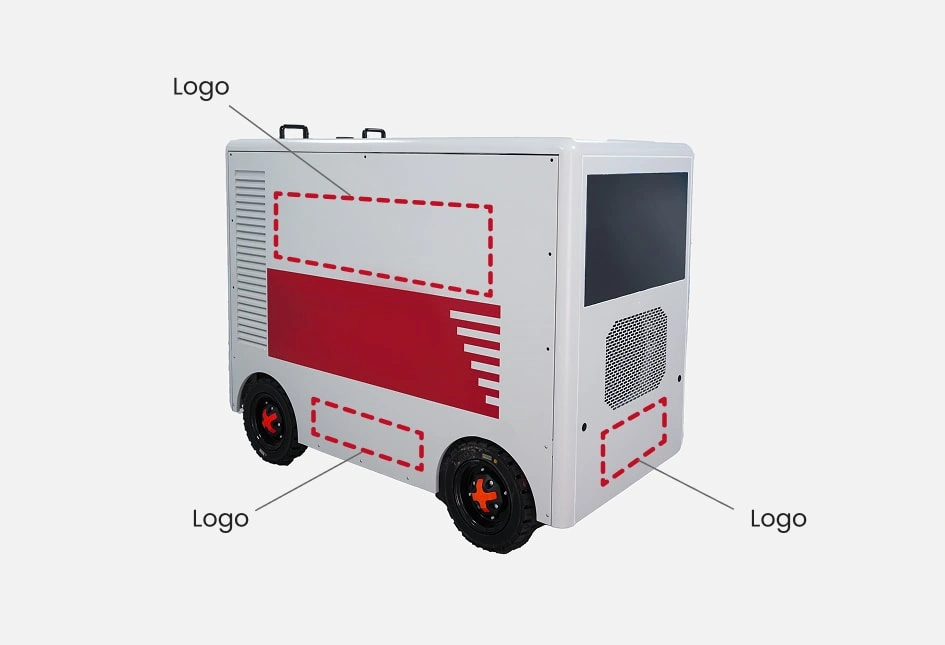
Mobile charging becomes stronger when it connects with battery energy storage and smart charging. A mobile charging robot or portable DC charger can be part of a larger energy system instead of a standalone device.
For example, a commercial site may use BESS to store power during low-demand hours. Then the site can use that stored power for EV charging during busy hours. This helps reduce grid pressure and supports scalable charging. The U.S. Department of Energy notes that charging the growing number of EVs requires a robust network of public and private charging stations for consumers and fleets.
DC fast charging also matters. The U.S. Department of Transportation explains that DC fast charging equipment can charge a battery electric vehicle to 80% in about 20 minutes to 1 hour, depending on conditions and equipment. This shows why dc fast charging is useful for high-demand sites, but it also explains why power planning and site design are important.
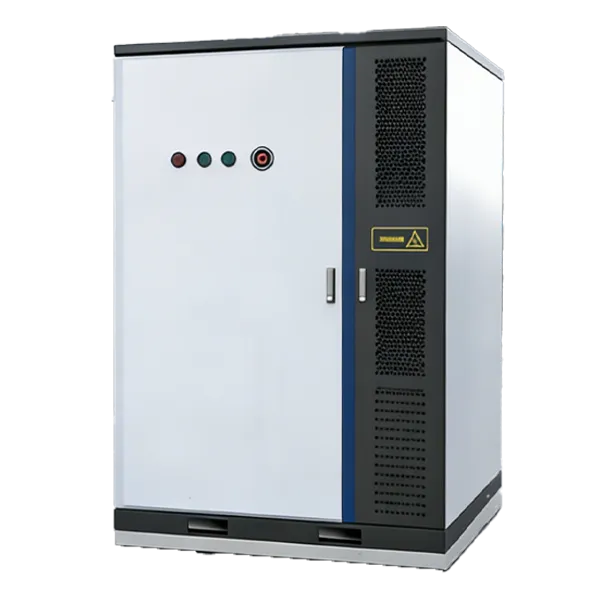
TREASURE’s broader product structure supports this direction: mobile charging robots, portable DC fast chargers, commercial energy storage systems, BMS, EMS, cloud monitoring, vehicle-mounted emergency power units, and V2V charging equipment. Together, these products can help build practical EV charging solutions to keep commercial operations running.
What Makes TREASURE a Practical Mobile EV Charging Manufacturer?
TREASURE is not only positioned around one EV charger. It is a B2B manufacturer focused on energy storage and EV charging system integration. This matters because many commercial charging projects need more than one device.
A fleet may need fixed chargers, portable DC chargers, and emergency mobile units. A parking operator may need mobile EV charging robots and later add fixed charging stations. A system integrator may need battery packs, BMS/EMS, custom communication, and OEM branding. TREASURE’s product range supports these project combinations.
TREASURE’s mobile EV charging offers can support:
- Mobile EV charging robots for commercial parking and fleet sites
- Portable DC fast chargers such as 7kW / 20kW options
- Vehicle-mounted emergency power units
- V2V charging equipment for vehicle-to-vehicle energy transfer
- BESS + EV charging system integration
- Battery pack customization
- BMS/EMS management
- OEM/ODM project support
- Deployment support for overseas buyers
This is why TREASURE is suitable for industrial operators, commercial facility managers, fleet operators, system integrators, charging service companies, and OEM partners.
How Can Mobile EV Charging Build a Better Charging Network?
A good charging network does not depend only on fixed chargers. It also needs flexible charging support, emergency backup, portable units, and energy storage. Fixed charging stations are important, but they cannot cover every vehicle, every route, every parking space, or every emergency.
Mobile EV charging helps fill these gaps. It can support a new site before fixed chargers are installed. It can cover overflow demand during busy hours. It can provide roadside charging for rescue service. It can support temporary events. It can also help operators test customer demand before investing in permanent infrastructure.
How to Start a Mobile EV Charging or Fleet Charging Project?
Starting a mobile EV charging project does not require a perfect technical specification from day one. It starts with a clear business goal. Do you want to support a fleet? Serve parking customers? Build an on-demand EV charging service? Provide roadside support? Add backup charging for a depot?
Before you request service or request a quotation, prepare this information:
- Project country and installation environment
- Application type: fleet depot, parking lot, roadside service, commercial building, airport, port, warehouse, or event site
- Vehicle type and battery size
- Required charging power
- Expected number of vehicles per day
- Need for portable charging, mobile robot, V2V, or vehicle-mounted emergency power
- Connector standard, such as CCS or GB/T
- Indoor or outdoor use
- Branding and OEM/ODM needs
- Whether BESS or solar-plus-storage integration is required
With this information, TREASURE can recommend a more suitable charging solution. For some buyers, a portable DC charger may be enough. For others, a mobile robot fleet or BESS-supported charging station may be a better long-term choice.
FAQs
What is mobile EV charging?
Mobile EV charging is a charging method that brings power to an electric vehicle through a portable EV charger, mobile charging robot, charging van, vehicle-mounted emergency power unit, or V2V charging system. It helps when fixed charging stations are unavailable, full, or hard to install.
Who needs a mobile EV charging service?
A mobile EV charging service is useful for EV drivers, fleet operators, parking facilities, roadside assistance providers, commercial buildings, event sites, airports, ports, and system integrators. It is especially helpful when vehicles cannot easily reach a fixed charger.
Can mobile charging support fleet charging?
Yes. Mobile charging can support fleet charging by serving vehicles in different parking zones, reducing waiting time, and adding flexible charging capacity during busy periods. It can also work with scheduled charging and BESS-supported energy management.
Is mobile EV charging only for emergencies?
No. Emergency EV charging is one use case, but not the only one. Mobile charging can also support parking services, EV fleet top-up charging, temporary charging locations, commercial buildings, and on-demand mobile EV charging projects.
What is the difference between portable EV charging and mobile EV charging?
Portable EV charging usually refers to movable charging equipment, often smaller or easier to carry. Mobile EV charging is broader. It can include portable chargers, mobile robots, vehicle-mounted units, V2V systems, and battery-powered mobile service models.
Can TREASURE customize mobile EV charging equipment?
Yes. TREASURE can support customized mobile EV charging equipment, portable DC fast chargers, vehicle-mounted emergency power units, V2V charging systems, BESS integration, battery packs, BMS/EMS functions, communication interfaces, and OEM/ODM branding.

 Mobile EV Charging Robots
 Vehicle-Mounted Emergency Power Supply
 Energy Storage Systems
 EV DC Chargers Catalog
 V2V DC Charging Equipment