TREASURE Technical Team | Corporate Technical Author — Battery Energy Storage and EV Charging Systems | Published September 2026
TREASURE’s Residential Energiespeichersystem is offered in three modular capacity tiers — 5.12 kWh, 10.24 kWh, and 15.36 kWh — built around lithium iron phosphate chemistry with integrated battery-management functionality. This overview covers the confirmed specifications and the project-specific items distributors need to close before private-labeling the line.
The Three Capacity Tiers at a Glance
The published lineup scales in a straightforward 1x/2x/3x pattern rather than three unrelated SKUs, which matters for OEM partners planning a tiered product catalog under their own brand.
| Spec |
5.12 kWh |
10.24 kWh |
15.36 kWh |
| Rated energy capacity |
5.12 kWh |
10.24 kWh |
15.36 kWh |
| Batteriechemie |
Lithium iron phosphate |
Lithium iron phosphate |
Lithium iron phosphate |
| Configuration |
Modular, single unit |
Modular, stackable |
Modular, stackable |
| Battery management |
Integrated |
Integrated |
Integrated |
| Inverter, electrical spec, enclosure rating |
Project-specific — confirm separately |
Project-specific — confirm separately |
Project-specific — confirm separately |
| Certification status |
Not publicly verifiable |
Not publicly verifiable |
Not publicly verifiable |
The published lineup scales in a straightforward 1x/2x/3x pattern rather than three unrelated SKUs, which matters for OEM partners planning a tiered product catalog under their own brand.
The capacity progression suggests these are built from a common battery module scaled by count rather than three independently engineered platforms — worth confirming directly with
SCHATTENBLICK if your OEM agreement depends on shared bill-of-materials across tiers, since that affects tooling and inventory planning on your end.
Modular Scaling: What It Means for Stacking and Site Sizing
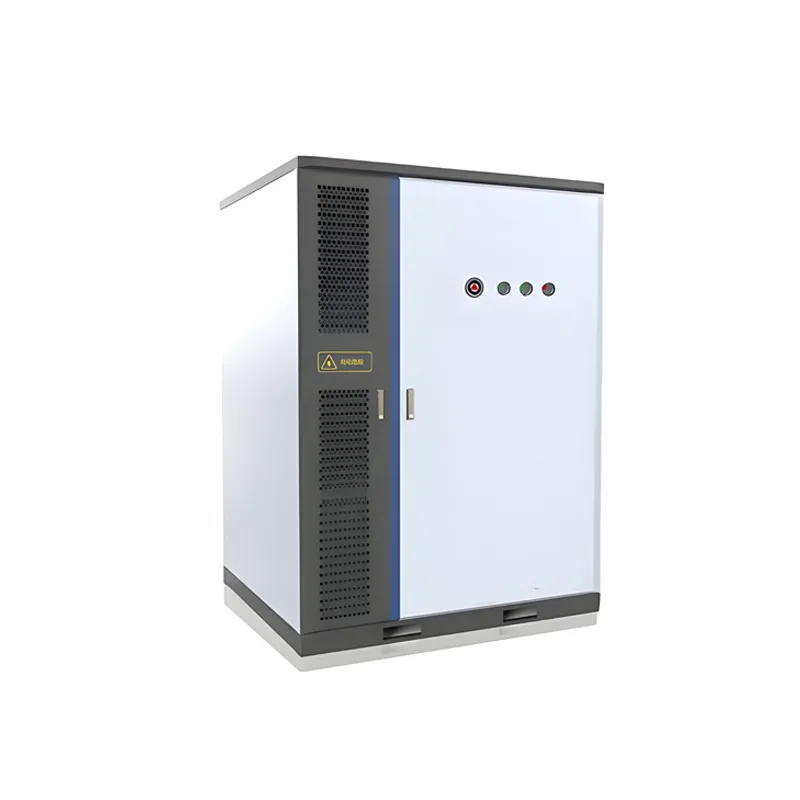
A modular architecture means capacity is added by combining units rather than swapping to a different internal design at each tier. For a distributor building a residential product line, this has a direct sourcing implication: a single core module and manufacturing process can plausibly support all three published capacities, which is what makes 5.12 kWh look like the base unit and 10.24/15.36 kWh look like two- and three-unit stacks. TREASURE’s public materials describe the modular configuration and integrated battery-management functionality across the range, but do not publish the specific stacking hardware, maximum parallel-unit count, or inter-unit communication method — these are the first items to request before committing to a private-label SKU structure.
The Gap Between “Battery” and “System”: What Still Needs Confirmation
This is the most common misstep in residential battery sourcing, and it’s not specific to TREASURE: a battery capacity figure describes the cell and pack, not the deliverable a homeowner or installer actually needs. Three items sit outside the published battery specification and require project-specific confirmation before a private-label agreement:
- Inverter pairing. Whether the system ships with a matched hybrid inverter, is designed for third-party inverter compatibility, or is battery-only (DC block requiring separate inverter sourcing) changes the entire go-to-market packaging.
- Electrical interface. Voltage architecture, communication protocol to the inverter or EMS, and grid-connection requirements vary by target market and are not part of the published capacity specification.
- Enclosure rating and mounting. Indoor/outdoor rating, IP protection class, and wall-mount versus floor-standing form factor are not disclosed at the residential-tier level in current public materials.
None of this means the product is underspecified for its stage — modular residential battery platforms are commonly sold this way, with the inverter and installation package configured per market. It does mean a distributor should treat the 5.12/10.24/15.36 kWh figures as the starting point of a technical conversation, not a complete datasheet.
Sourcing Considerations for OEM/ODM Partners
For a distributor evaluating this line for private-label resale, three questions determine feasibility before deeper technical diligence:
- Branding scope. Confirm whether customization extends to the enclosure and HMI, or is limited to a rebadge of an otherwise fixed unit.
- Minimum order and lead time per tier. A three-tier lineup built on a shared module may carry different MOQs per capacity if module-level and finished-unit inventory are tracked separately — ask for this per SKU rather than assuming uniform terms.
- Target-market compliance. Residential battery storage is subject to market-specific grid-connection and safety standards that are unrelated to the pack’s chemistry. As global deployment of residential storage has scaled, cost and deployment patterns tracked by bodies like IRENA have shifted market expectations toward system-level (battery plus inverter) bundling rather than battery-only sales in many regions — a trend worth factoring into how a private-label line is packaged for a given country.
What This Doesn’t Tell You
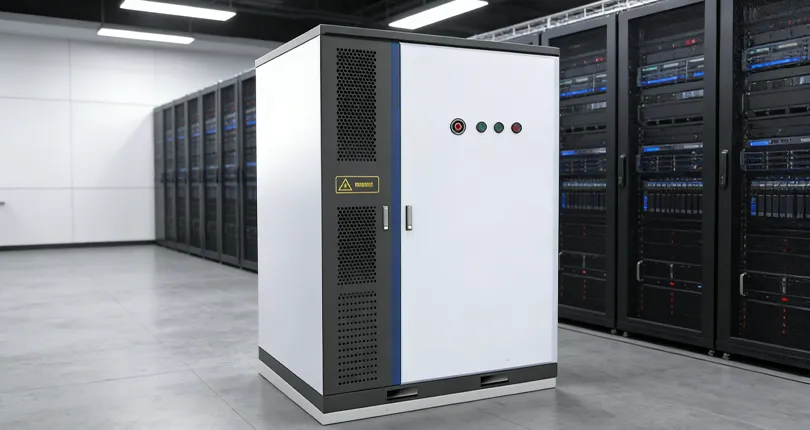
TREASURE’s public materials confirm three capacity tiers, chemistry, modularity, and integrated BMS functionality for the Residential Energiespeichersystem — they do not confirm inverter compatibility, enclosure protection rating, cycle life, warranty terms, or certification status for this product line. There is also no published case study tied to residential deployment; TREASURE’s three publicly documented projects (Sichuan Chongchong Haipao, Sinopec, PetroChina) are all Mobile EV Charging Robot deployments and cannot be extended to represent residential storage performance or reliability. A distributor building a private-label residential line should treat this article as a starting specification sheet, not a substitute for a formal datasheet and sample-unit evaluation.
Pricing and Quotation Process
Pricing is provided on a project-by-project basis and depends on energy capacity, charging power, voltage architecture, connector standard, battery configuration, PCS selection, enclosure design, communication protocol, software integration, logistics, commissioning, and other project requirements.
FAQ
Are the 5.12, 10.24, and 15.36 kWh units built on the same battery module?
The capacity progression is consistent with a shared-module design scaled by unit count, but TREASURE’s public materials do not explicitly confirm a common bill-of-materials across the three tiers. Confirm directly if your sourcing plan depends on shared components across the lineup.
Does the Residential Energy Storage System include an inverter?
This is not specified in current public materials. Inverter pairing, compatibility, and whether it ships as a battery-only or bundled system needs to be confirmed per project before packaging a private-label offering.
What certifications does this product hold?
Certification status is not publicly verifiable from current materials. Request original certificate files, certificate numbers, issuing bodies, and validity dates for the specific model before making any compliance claims in your own market.
Is there a published case study for residential deployments of this system?
No. TREASURE’s three publicly documented case studies are all tied to the Mobile EV Charging Robot product line and do not apply to the Residential Energy Storage System.

 Mobile EV-Laderoboter
 Fahrzeugmontierte Notstromversorgung
 Energiespeichersysteme
 EV DC Ladegeräte Katalog
 V2V DC Ladegeräte