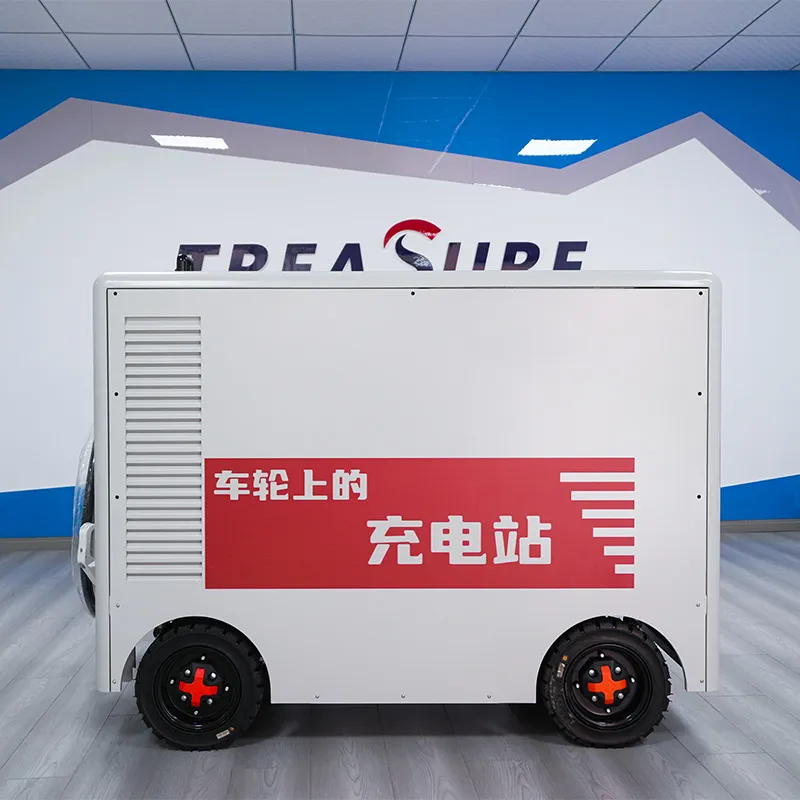
Lorsque les véhicules ont besoin d'énergie mais qu'il n'y a pas de chargeur à proximité, les temps d'arrêt augmentent, les itinéraires sont interrompus et le service à la clientèle en pâtit. Ce problème s'aggrave pour les flottes, les dépôts, les ports, les centres commerciaux et les équipes d'urgence. La réponse pratique est la recharge mobile des VE : l'électricité se déplace vers le véhicule au lieu d'attendre que le véhicule se déplace vers l'électricité.
La recharge mobile des VE est une solution de recharge à la demande et flexible qui apporte de l'énergie directement à un véhicule électrique, souvent par le biais d'unités mobiles alimentées par des batteries et dotées d'une capacité de recharge rapide. Elle permet aux flottes, aux exploitants de parkings et aux prestataires de services de réduire les retards, d'éviter de lourds travaux de génie civil, d'améliorer le temps de fonctionnement et de prendre en charge la recharge dans les endroits où une station de recharge fixe est limitée, très fréquentée ou n'a pas encore été construite.
Qu'est-ce que la recharge mobile des VE et pourquoi se développe-t-elle si rapidement ?
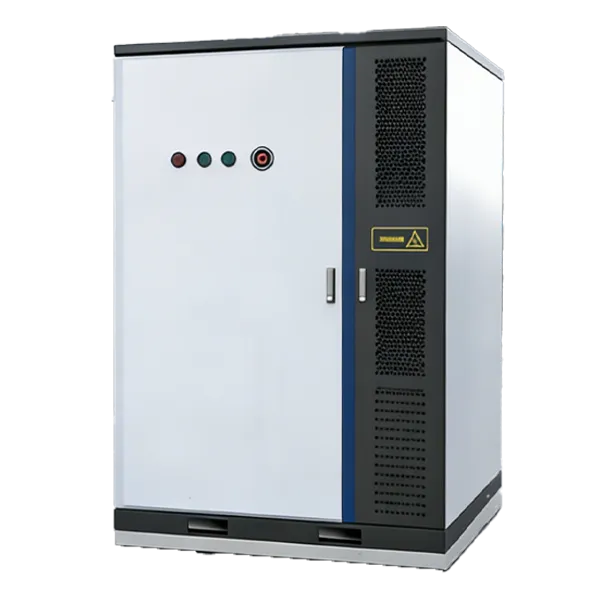
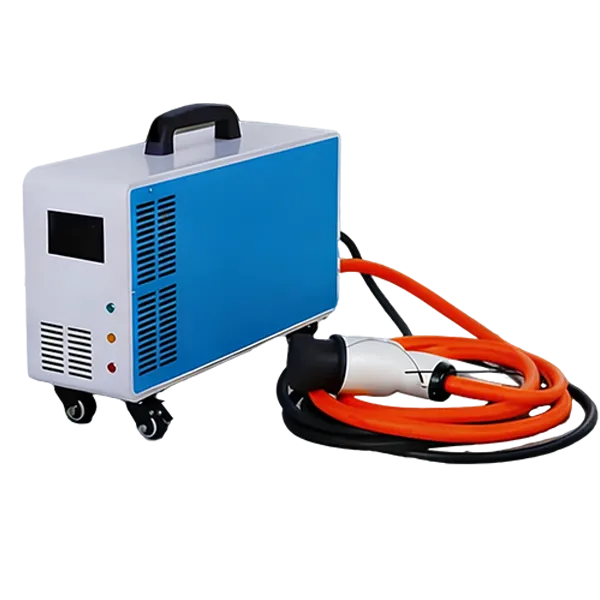
En principe, la recharge mobile des VE consiste à amener le chargeur au véhicule au lieu de se contenter d'un site fixe. En pratique, il peut s'agir d'un robot alimenté par une batterie, d'une unité de charge d'urgence montée sur un véhicule ou d'autres unités de charge mobiles conçues pour fournir de l'énergie là où elle est nécessaire. La gamme de produits TREASURE comprend des robots de recharge mobiles, des systèmes d'alimentation d'urgence montés sur véhicule, des équipements de recharge V2V et des systèmes de stockage d'énergie intégrés pour les projets B2B.
Le marché se développe parce que le marché plus large des véhicules électriques se développe rapidement. L'AIE indique que le nombre de points de charge publics a dépassé les 5 millions et que plus de 1,3 million de points de charge publics ont été ajoutés au cours de la seule année 2024. Cette croissance est impressionnante, mais elle montre aussi la pression qui s'exerce sur l'infrastructure de recharge. Plus de VE sur la route signifie plus de demande aux heures de pointe, plus d'attente et plus de besoin d'options de recharge mobiles et flexibles qui peuvent prendre en charge des sites avant ou à côté de l'infrastructure permanente.
Pour de nombreux opérateurs, la recharge traditionnelle des véhicules électriques est nécessaire mais pas suffisante. Un chargeur fixe fonctionne mieux lorsque le comportement du parking est prévisible, que la capacité d'alimentation est prête et que chaque baie peut justifier le coût du matériel et de l'installation. Les opérations réelles sont plus désordonnées. C'est là que la technologie de recharge mobile crée de la valeur.
Comment un robot de charge mobile fonctionne-t-il au quotidien ?
Un système mobile typique n'est pas simplement une batterie sur roues. Il s'agit d'un ensemble de technologies de charge intégrées. TREASURE décrit son robot de charge mobile de 150 kWh comme une unité de grande capacité qui combine un stockage d'énergie de grande capacité, une programmation intelligente et une charge rapide de grande puissance pour l'assistance routière, les services sur rendez-vous et les opérations dans les parcs de stationnement.
Au quotidien, le processus est simple :
- Charger l'appareil pendant les heures prévues, souvent en dehors des heures de pointe
- L'envoyer au véhicule qui a besoin d'énergie
- Permet une charge rapide ou une recharge temporaire
- Remettre le système en veille pour la tâche suivante
Cette logique de fonctionnement est importante. Elle signifie Chargement des véhicules électriques mobilespermet de déplacer l'énergie dans le temps et l'espace. Cela signifie également que les exploitants de sites peuvent élaborer des modèles de service en fonction des schémas de circulation réels. Par exemple, un centre commercial peut proposer une recharge à la demande pendant les heures d'affluence. Un dépôt peut déplacer l'énergie vers les rangées où les véhicules se garent. Une équipe de service peut recourir à une intervention routière d'urgence pour les véhicules en panne.
Quels problèmes la recharge mobile des VE résout-elle pour les fournisseurs de services de recharge des VE ?
La valeur la plus importante d'un service de recharge de véhicules électriques n'est pas seulement l'électricité. Il s'agit de la disponibilité, de la commodité et de la rapidité de réaction. Un site fixe peut toujours être confronté à des baies bloquées, à des périodes de surcharge, à une faible utilisation pendant les heures de faible demande ou à des retards d'expansion lorsque les permis et la construction sont encore en cours. Un service de recharge mobile peut combler ces lacunes.
Les pages de TREASURE mettent en évidence des cas d'utilisation pratiques tels que les centres commerciaux, les immeubles de bureaux, les dépôts, les ports, les terminaux et les stations-service. Le site présente également des projets réels dans lesquels des robots de recharge mobiles ont été utilisés pour résoudre les problèmes de files d'attente et de pics de demande dans les stations d'énergie. C'est important car cela montre comment Chargement des véhicules électriques mobiles Les solutions peuvent fonctionner comme un outil opérationnel, et pas seulement comme un concept.
Pour un opérateur, les avantages sont directs :
- Meilleure utilisation de l'espace de stationnement existant
- Moins de dépendance à l'égard d'une station de recharge fixe dans chaque baie
- Lancement plus rapide d'un nouveau service de recharge des véhicules électriques
- Amélioration de l'expérience de charge pour les utilisateurs
- Alimentation de secours lorsque les stations de recharge des véhicules électriques sont pleines ou indisponibles
C'est particulièrement utile lorsque vous avez besoin d'une station de recharge à proximité sans avoir à construire un chargeur à chaque endroit.
La recharge mobile des VE est-elle adaptée à la recharge sur route et à l'assistance routière d'urgence ?
Oui, et c'est l'un des cas d'utilisation les plus clairs. La page du robot mobile de 150 kWh de TREASURE indique que le système est conçu pour l'assistance à la recharge en bord de route, les services sur rendez-vous, les opérations à valeur ajoutée dans les parkings, les secours d'urgence et les événements temporaires. Il cite spécifiquement l'assistance routière et la recharge d'urgence des véhicules électriques sur le bord de la route parmi les principaux scénarios.
Lorsqu'un véhicule électrique est à court d'énergie loin d'un chargeur, le problème n'est pas théorique. Le conducteur a besoin de suffisamment d'énergie pour poursuivre son voyage en toute sécurité. Dans cette situation, l'assistance à la recharge en bord de route ev devient un service haut de gamme. Elle peut aider les fournisseurs de services, les sociétés de remorquage, les partenaires d'assurance, les exploitants de parkings et les équipes d'intervention municipales à fournir un service plus rapide et plus moderne pour les véhicules électriques.
C'est là qu'un Chargement des véhicules électriques mobiles se distingue. Au lieu de remorquer d'abord et de charger ensuite, l'opérateur peut être en mesure d'envoyer de l'énergie directement. Cela peut réduire le temps de récupération, améliorer la satisfaction du client et créer une nouvelle catégorie de services pour les partenaires qui gèrent déjà l'assistance routière ou l'assistance aux véhicules.
La recharge mobile des VE peut-elle prendre en charge la recharge des VE hors réseau et les sites temporaires ?
Absolument. L'un des principaux avantages de la recharge mobile des véhicules électriques est la flexibilité dans les lieux où il est difficile de déployer une alimentation permanente. Les documents de TREASURE mentionnent des événements temporaires, l'utilisation de l'énergie par les municipalités, des scénarios de recharge à distance et des situations où l'infrastructure de recharge traditionnelle n'est pas disponible. L'entreprise positionne également les systèmes mobiles aux côtés des systèmes stationnaires BESS, PV et de coordination EMS.
C'est pourquoi la recharge des véhicules électriques hors réseau est particulièrement importante dans ces environnements :
- Sites de construction et d'infrastructure
- Ports et gares de triage
- Zones logistiques éloignées
- Sites d'événements temporaires
- Projets de stationnement à un stade précoce
- Zones d'intervention en cas de catastrophe
Le rapport PVPS de l'AIE sur les stations de recharge alimentées par des panneaux photovoltaïques souligne également l'importance de la recharge par micro-réseau, de l'intégration photovoltaïque et de la gestion intelligente de l'énergie pour l'infrastructure de recharge. En termes simples, les systèmes mobiles et modulaires s'intègrent naturellement dans les projets d'énergie distribuée.
Pour les acheteurs B2B, c'est important parce que l'analyse de rentabilité ne se limite souvent pas à “charger une voiture”. Il s'agit de “poursuivre les opérations avant que le site final ne soit entièrement construit”.”

Comment les solutions mobiles de recharge des VE s'intègrent-elles à la GTB, à l'EMS et aux systèmes énergétiques du site ?
C'est là que les fournisseurs avancés se distinguent des simples vendeurs d'équipement. TREASURE indique explicitement que ses systèmes peuvent être coordonnés avec les systèmes de gestion de l'énergie du dépôt, les BESS stationnaires, les systèmes photovoltaïques et le réseau afin d'optimiser le coût de l'énergie et les programmes de charge. Il s'agit là d'un point important pour les acheteurs professionnels.
Dans un projet énergétique moderne, un chargeur n'est pas isolé. Il s'intègre dans un système plus large :
- Les PACKs de batterie stockent l'énergie
- Le BMS protège et équilibre la batterie
- L'EMS planifie la charge et la décharge
- Les outils cloud aident à suivre les performances
- Les règles du site déterminent qui reçoit l'énergie en priorité
Cela signifie que les solutions de recharge mobile peuvent faire partie d'une stratégie de recharge évolutive plus large. Un dépôt de flotte peut recharger les robots en période creuse. Un site de micro-réseau peut utiliser l'énergie solaire et le stockage pour alimenter les chargeurs mobiles de batteries. Une propriété commerciale peut déployer des unités mobiles tout en planifiant des mises à niveau permanentes. C'est ainsi que les solutions de recharge conçues pour des projets B2B créent de la valeur au-delà d'une session de recharge.
Où la recharge mobile des véhicules électriques offre-t-elle le meilleur retour sur investissement ?
Le ROI le plus élevé se manifeste souvent là où le stationnement est dense, l'infrastructure inégale ou la demande de chargeur varie selon l'heure. TREASURE souligne les dépôts logistiques, les flottes d'entreprises et gouvernements, les aéroports, ports, terminaux ferroviaires, centres commerciaux et stations-service comme applications typiques.
Dans ces environnements, le retour peut provenir de plusieurs sources à la fois :
- Moins de travaux civils par rapport à l'ajout d'un chargeur fixe à chaque emplacement
- Déploiement plus rapide d'un nouveau service
- Augmentation de la disponibilité des véhicules
- Meilleure utilisation de l'énergie en période creuse
- Nouveau revenu premium provenant du service de recharge de véhicules électriques à la demande
- Réduction de la pression des files d'attente dans les stations de charge fixes de véhicules électriques
Une règle simple est valable : si vos véhicules se déplacent plus que ne peut le prédire la conception de votre stationnement, ou si la demande de chargeur est fortement variable à certains moments, rapide, Chargement des véhicules électriques mobiles cela peut mériter une évaluation sérieuse.
En quoi TREASURE est-il différent en tant que fabricant et fournisseur de solutions de recharge mobile pour véhicules électriques ?
TREASURE n'est pas positionné comme un vendeur de produit unique. Son site web présente un portefeuille complet qui comprend des systèmes de stockage d'énergie par batterie, des BESS de type armoire, des chargeurs mobiles pour véhicules électriques, des dispositifs V2V, des stations de recharge pour VE, des PACKs de batterie et des logiciels BMS/EMS/cloud. La page d'accueil décrit l'entreprise comme un fabricant de stockage d'énergie et de recharge mobile pour VE pour des projets B2B, avec plus de 10 ans d'expérience dans les systèmes de batteries et l'électronique de puissance.
C'est important car de nombreux acheteurs ne veulent pas seulement une boîte avec des roues. Ils souhaitent des solutions pour flottes. Ils veulent un fournisseur qui comprend le stockage d'énergie, la sécurité des batteries, l'intégration logicielle et la réalisation de projets. TREASURE déclare également qu'il garde les étapes principales de production en interne pour un meilleur contrôle qualité et une réponse plus rapide.
Pour un acheteur international, cette combinaison peut être utile :
- Un partenaire pour le stockage, la recharge et la logique de contrôle
- Flexibilité OEM/ODM
- Support pratique pour des projets industriels et d'infrastructure
- Une gamme de produits pouvant passer de la réponse d'urgence à des solutions complètes de recharge pour flottes de véhicules électriques
FAQs
En quoi la recharge mobile de véhicules électriques est-elle différente d'une station de recharge classique ?
Une station de recharge fixe reste en un endroit. La recharge mobile de véhicules électriques apporte l'énergie au véhicule. Cela la rend utile pour les dépôts, les sites de stationnement, les projets temporaires et le soutien en cas d'urgence lorsque les bornes fixes sont limitées ou indisponibles.
La recharge mobile de véhicules électriques est-elle uniquement destinée à l'assistance routière d'urgence ?
Non. Elle fonctionne en cas d'urgence, mais elle prend également en charge la recharge routinière des dépôts, les services dans les centres commerciaux, les opérations événementielles et les environnements de stationnement mixtes. TREASURE met notamment en avant le soutien en bord de route, le service sur rendez-vous et la recharge à valeur ajoutée dans les parkings.
La recharge mobile de véhicules électriques peut-elle prendre en charge toutes les grandes marques de VE ?
La compatibilité des connecteurs dépend de la configuration et des normes du marché. Les acheteurs B2B doivent confirmer le type de connecteur, la gamme de tension, le niveau de puissance et les exigences régionales avant le déploiement. TREASURE propose également des options OEM/ODM pour des configurations spécifiques au marché.
La recharge mobile est-elle adaptée à une flotte de véhicules électriques ?
Oui, surtout si une flotte utilise des modèles de stationnement changeants, des dépôts partagés, des emplacements temporaires ou des horaires de retour échelonnés. Elle peut réduire la nécessité d'avoir un chargeur à chaque emplacement et améliorer la disponibilité avec un dispatch plus flexible.
La recharge mobile peut-elle fonctionner avec des systèmes solaires et de stockage d'énergie ?
Oui. TREASURE déclare que ses robots peuvent se coordonner avec les systèmes de stockage BESS, PV, EMS et d'alimentation du réseau pour optimiser les horaires et les coûts énergétiques. Cela rend les systèmes mobiles particulièrement adaptés aux projets solaires-plus-stockage et aux micro-réseaux.
Que dois-je envoyer à un fournisseur avant de demander une proposition ?
Envoyez les types de véhicules, les kilométrages quotidiens, la disposition du stationnement, la taille de la flotte, les fenêtres de recharge, les besoins en connecteurs et les conditions énergétiques locales. TREASURE demande ces informations car elles aident à définir dès le début la bonne configuration et logique de service.

 Robots de recharge mobiles pour VE
 Alimentation électrique d'urgence montée sur véhicule
 Systèmes de stockage d'énergie
 Catalogue de chargeurs EV DC
 Équipement de recharge V2V DC