High electricity costs hurt margins. Peak demand fees make bills harder to predict. Solar power helps, but it does not always match your load curve. A well-designed commercial energy storage system gives your site a smarter way to store, manage, and use electricity.
A commercial energy storage system helps reduce electricity costs by storing lower-cost electricity or excess solar energy, then discharging it when grid prices or peak demand charges are high. For factories, warehouses, EV fleets, and commercial buildings, battery energy storage can support peak shaving, solar self-consumption, backup power, and better energy management.
Why Are Electricity Costs Rising for Commercial and Industrial Users?
Many businesses do not pay only for the electricity they use. They also pay for how fast they use it during peak periods. This is why two factories with similar monthly energy consumption can receive very different bills. One factory may have smooth energy usage. Another may start large motors, HVAC systems, compressors, production lines, or EV chargers at the same time. That short power spike can raise the electricity bill for the entire billing cycle.
This is where a commercial energy storage system becomes useful. It does not simply store energy. It helps the site control when electricity is bought, stored, and used. For commercial and industrial users, that timing can be just as important as total energy use.
Modern energy buyers also face changing tariffs, grid congestion, solar export limits, and higher demand for electrified equipment. In this energy landscape, companies need more than a basic power cabinet. They need energy storage solutions that combine battery systems, BMS, EMS, solar integration, remote monitoring, and project-based engineering.
How Do Solar and Battery Energy Storage Work Together?
Solar can lower daytime electricity costs, but solar output changes with weather and time of day. Many sites produce solar energy during the day but use more electricity in the late afternoon, evening, or during production peaks. Without battery storage, excess energy may be exported at a low rate or wasted due to curtailment.
A battery energy storage system solves this mismatch. It can store excess energy from solar panels during the day and release it later when electricity prices are high. This makes solar more useful for factories, warehouses, commercial buildings, and EV charging sites.
This is the core value of solar and battery integration:
- Solar produces power when sunlight is available.
- Battery storage can help store excess energy.
- EMS decides when to charge, discharge, or hold.
- The site can use more solar energy instead of buying expensive grid power.
- The system can support both cost savings and energy independence.
For many businesses, solar alone is helpful. But solar and storage systems often create a stronger long-term energy strategy because they connect renewable energy production with real operating needs.
How Does a Commercial Energy Storage System Improve Energy Management?
Energy management is the brain of a modern energy storage system. A battery cabinet alone cannot create the best results. The system also needs smart software, monitoring, protection, and control logic.
A good EMS can track solar output, load demand, grid status, electricity prices, battery state of charge, and charging schedules. It decides when to store electricity, when to discharge, and when to protect battery life. This is how companies optimize energy usage without asking operators to adjust the system every hour.
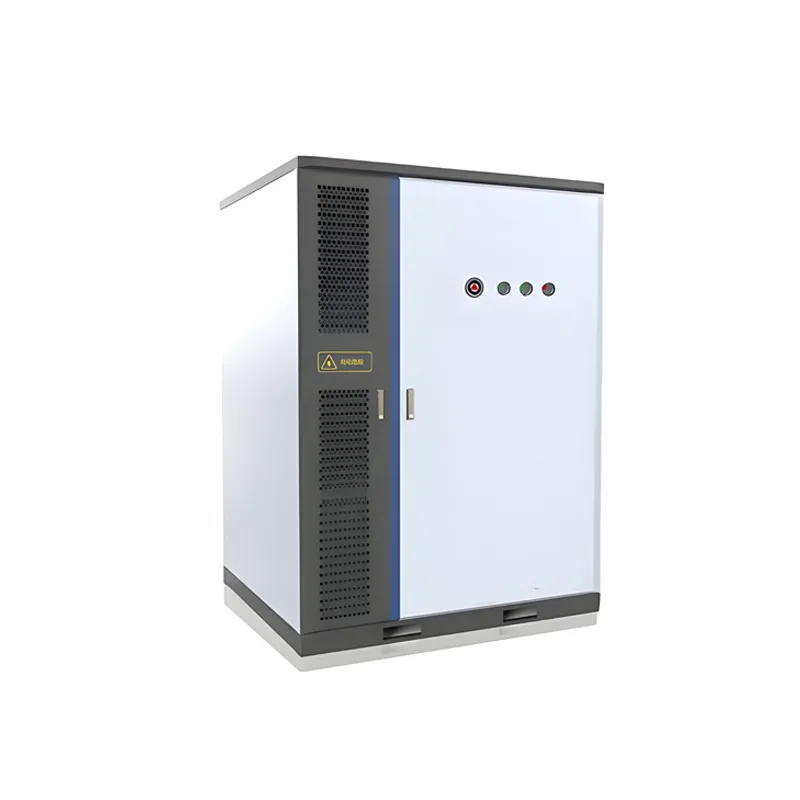
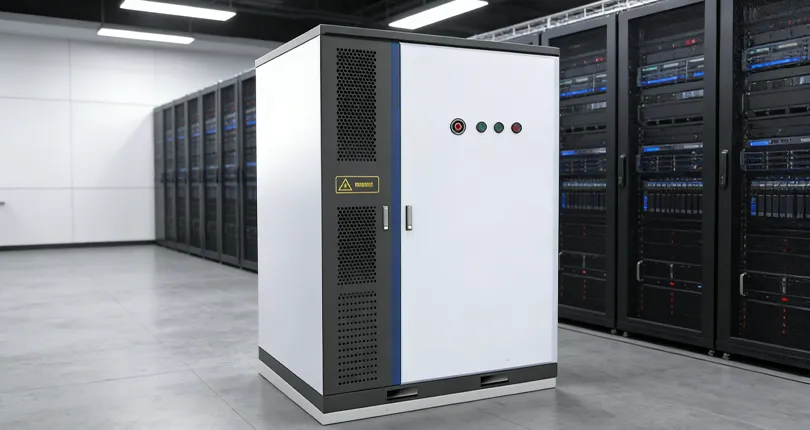
At TREASURE, we see many buyers focus first on battery capacity. That matters, of course. But in real projects, control strategy often decides whether the system produces strong savings. A 233kWh cabinet with poor control may perform worse than a smaller system with better EMS logic. Good energy management helps the site match the battery system to actual energy needs.
Can Battery Storage Help Reduce Energy Costs Without Solar?
Yes. A battery storage system can still reduce energy costs without solar, especially when the site has time-of-use pricing, high peak demand charges, or unstable grid conditions.
For example, the system can charge from the grid during low-price periods and discharge during high-price periods. This is often called energy arbitrage. It can also reduce peak demand by discharging during short load spikes. In some energy markets, larger systems may also participate in energy programs, depending on local rules and grid access.
A commercial energy storage system without solar may support:
- Peak shaving for factories and logistics centers
- Backup power for commercial buildings
- Load support for EV charging stations
- Grid-side demand response
- Storing excess grid power during off-peak hours
- Using stored energy when prices are high
However, the business case should always be calculated carefully. The buyer should compare energy costs and potential savings, battery cycle life, installation cost, local tariff rules, and operation strategy before investing.
How Do Energy Storage Systems Work with EV Charging?
EV charging can create large and sudden electricity demand. A site may install several DC fast chargers, but the local transformer or grid connection may not support all chargers at full power. Upgrading the grid can be expensive and slow.
Energy storage systems work with EV charging by acting as a power buffer. The battery can charge slowly from the grid or solar, then discharge quickly when vehicles need fast charging. This helps reduce peak grid demand and improve charging availability.
For parking facilities, fleet depots, logistics parks, shopping centers, and roadside service providers, solar and storage systems can provide a more flexible path to EV charging growth. A battery energy storage cabinet can support DC charging loads, reduce grid stress, and improve charging uptime.
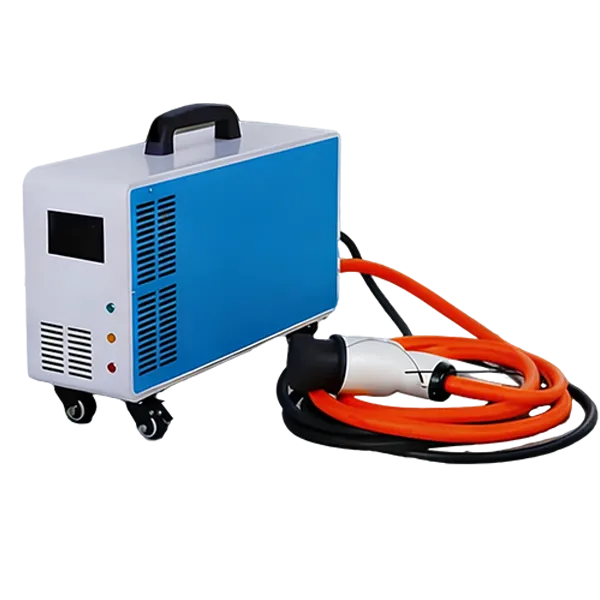
TREASURE also manufactures EV charging solutions such as mobile charging robots, portable DC fast chargers, vehicle-mounted emergency power units, and V2V charging equipment. This allows us to think beyond one product. We can help buyers connect BESS, solar, EV charging, and energy management into one practical system.
How Can Energy Storage Systems Provide Backup Power and Energy Reliability?
Power outages can stop production, damage materials, delay logistics, and affect customer service. For some sites, even a short outage can create large losses. Energy storage systems can provide backup power for selected loads and help improve energy reliability.
A battery energy storage system can support critical circuits such as control rooms, security systems, IT equipment, emergency lighting, communication devices, and selected production processes. Storage systems can provide backup power when the grid fails, depending on system design, inverter capability, load priority, and battery capacity.
Energy storage systems can provide backup in different ways:
- Short-duration backup for key loads
- Solar-plus-storage backup during daytime
- Microgrid support with solar, storage, and generator coordination
- Power smoothing for unstable grids
- Emergency energy supply for EV charging or remote sites
For long-term energy resilience, the system must be designed carefully. Buyers should define which loads are critical, how long they need backup, whether solar is available, and whether the system must operate off-grid.
Why Choose TREASURE for Commercial Energy Storage Solutions?
TREASURE is a global B2B manufacturer focused on commercial and industrial BESS and EV charging solutions. We provide integrated systems that include battery packs, BMS, EMS, cabinet design, deployment support, and optional EV charging integration.
Our goal is not to sell a simple box. We help customers build practical energy storage solutions for factories, warehouses, commercial buildings, parking facilities, EV fleets, and microgrid projects. We understand that buyers care about safe operation, stable performance, rapid deployment, and long-term system management.
Cost Savings Are Not Only About the Battery Price
Many buyers ask, “What is the cheapest way to store energy?” It is a fair question, but for B2B projects, the lowest upfront price is not always the lowest long-term cost.
A low-cost cabinet may look attractive at first. But if it lacks strong BMS protection, EMS control, thermal management, remote monitoring, documentation, or after-sales support, the project may face downtime, poor savings, or safety problems. A complete energy storage system should be judged by lifecycle value.
The total value depends on:
- Equipment cost
- Installation cost
- Battery cycle life
- Charging and discharging strategy
- Electricity tariff
- Peak demand savings
- Solar self-consumption
- Backup value
- O&M cost
- Downtime reduction
- Long-term energy savings
In short, commercial energy storage systems help buyers reduce energy costs when they are sized, installed, and managed correctly. The goal is not just to store electricity. The goal is to control energy supply and demand in a smarter way.
Final Thoughts: Energy Storage Systems Enable Businesses to Control Electricity Costs
A commercial energy storage system helps reduce electricity costs by shifting energy use, reducing peak demand, storing solar energy, supporting EV charging, and improving energy reliability. It also helps businesses prepare for a future where electricity demand is higher, renewable energy is more common, and energy management matters more than ever.
For commercial and industrial users, battery storage is no longer only emergency equipment. It is becoming part of modern energy infrastructure. Energy storage systems play a practical role in cost control, resilience, and renewable energy integration.
If your business wants to reduce electricity costs, increase solar self-consumption, support EV charging, or build a smarter microgrid, TREASURE can help evaluate your project and recommend a suitable energy storage system.
Contact TREASURE to discuss your load profile, solar capacity, EV charging plan, and project goals. Our team can help you build a safe, scalable, and customized commercial energy storage solution.
FAQs
How does a commercial energy storage system reduce electricity costs?
A commercial energy storage system reduces electricity costs by charging during low-cost periods or when solar power is available, then discharging during expensive periods or peak demand events. This helps reduce grid purchases, lower demand charges, and improve energy management.
Can an energy storage system work without solar?
Yes. An energy storage system can work without solar. It can charge from the grid during off-peak periods and discharge when prices are higher. It can also reduce peak demand charges and provide backup power for selected loads.
Is battery energy storage safe for commercial and industrial use?
Battery energy storage can be safe when the system uses proper battery design, BMS monitoring, thermal management, cabinet protection, installation planning, and emergency procedures. Buyers should choose experienced suppliers and follow local safety standards.
What size energy storage system does my business need?
The right size depends on your load profile, electricity tariff, solar capacity, peak demand, backup needs, EV charging load, and site conditions. TREASURE recommends reviewing real electricity data before selecting battery capacity and PCS power.
Can a battery energy storage system support EV fast charging?
Yes. A battery energy storage system can support EV fast charging by reducing peak grid demand and providing extra power when chargers operate. This is useful for fleet depots, parking facilities, logistics parks, and commercial charging stations.
What information should I provide before requesting a quote?
You should provide your electricity bill, load profile, solar system size, peak demand charge, grid capacity, backup load list, site layout, EV charging requirements, and local standards. This helps the supplier design a more accurate energy storage solution.

 Mobile EV Charging Robots
 Vehicle-Mounted Emergency Power Supply
 Energy Storage Systems
 EV DC Chargers Catalog
 V2V DC Charging Equipment