Running out of power—whether your phone or EV—can stop everything. It disrupts work, travel, and operations. Worse, traditional charging options are often fixed, slow, or unavailable when you need them most. The solution? Flexible, intelligent mobile charging systems that move with your needs.
Mobile charging refers to portable and flexible charging solutions—that allow users to charge devices or electric vehicles anytime, anywhere without relying on fixed charging stations. These systems combine convenience, mobility, and advanced charging technology.
What is a charger and how does mobile charging work today?
A charger is no longer just a simple device. Today, it is part of an intelligent charging system designed to deliver optimized charging power to different devices. Whether it’s a phone charger, portable charger, or ev charger, the goal is the same—efficient energy transfer.
Modern mobile charging integrates usb, usb-c, and wireless charging technologies. For example, a power bank with a built-in cable or usb-c cable allows users to charge devices instantly without needing extra accessories.
In industrial scenarios, we see the evolution of charging—from small phone charging tools to large-scale mobile ev charging units. These advanced systems function like a power bank for vehicles, enabling electric vehicle charging without relying on fixed infrastructure.

Why are portable chargers and power banks essential for modern life?
Think about your daily routine. You rely on your mobile device, laptop, or even tablet throughout the day. But battery life often becomes a limitation.
That’s where portable chargers and power bank solutions come in.
Key benefits:
- Charge a phone anywhere without searching for a charging station
- Support multiple devices including laptops and tablets
- Offer flexible charging speed depending on battery capacity
- Enable emergency backup with an external battery pack
A modern power bank’s design often includes:
Built-in USB-C cable
- Multiple charging ports
- Fast charging speeds
- Compact, travel-ready structure
Even popular products like iniu portable charger or anker laptop power bank highlight how critical portable energy has become.
What features define the best portable chargers and power bank solutions?
Choosing the best portable chargers depends on more than just size.
Key features to consider:
1. Battery Capacity
- Higher capacity = more devices charged
- Ideal for travel essentials battery pack
2. Charging Technology
- Fast chargers with power delivery
- Support for usb-c power
3. Built-in Convenience
- Charger with built in cables
- Retractable cable design
4. Compatibility
- Works with different devices
- Supports wireless phone, tablets, laptops
5. Output Design
- Example: battery pack 6 outputs
- Includes one usb-a port and one usb-c port
A fast charging power bank is ideal for users who need faster charging and consistent performance.
How do EV charging services and mobile charging services work in real scenarios?
Let’s look at a real-world case.
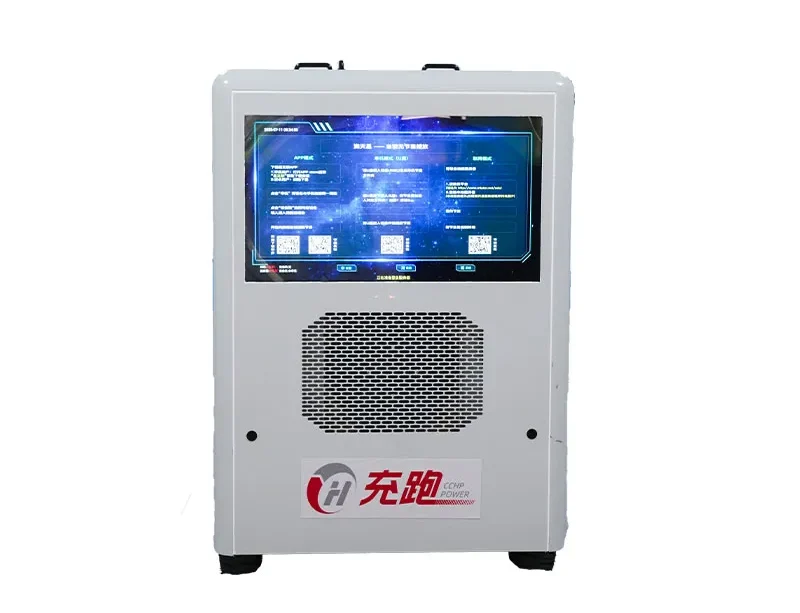
A logistics fleet operates 50 EV vans. Not all depots have charging stations.
Instead of building expensive infrastructure, they deploy:
- Mobile EV chargers
- Intelligent dispatch systems
- On-site charging services
Workflow:
- Units recharge during off-peak hours
- Dispatched based on demand
- Provide ev charging services onsite
- Return for next cycle
This model reduces:
- Downtime
- Infrastructure cost
- Energy inefficiency
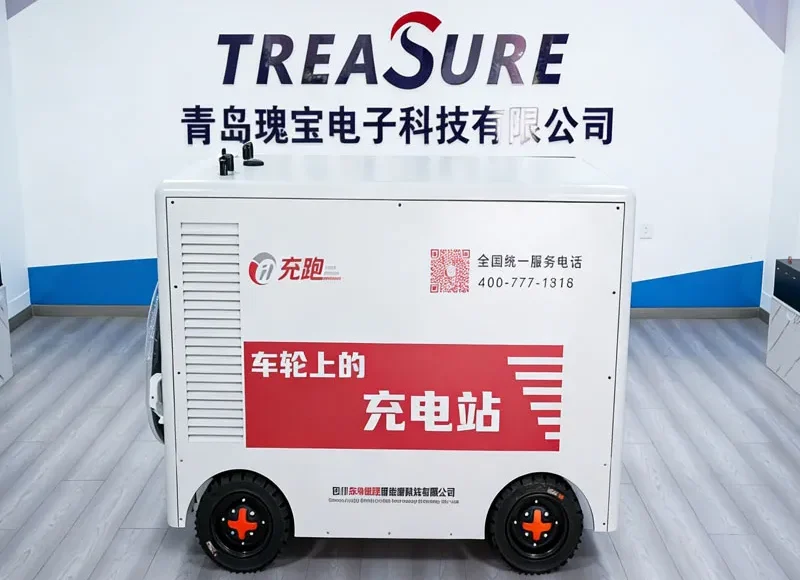
TREASURE provides these turnkey charging solutions, combining hardware, software, and deployment support.
What are the advantages of on-demand mobile charging vs public charging?
Public charging works—but has limitations.
Public charging challenges:
- Waiting time
- Limited availability
- Fixed locations
- On-demand mobile charging advantages:
- Immediate access
- Flexible deployment
- No dependency on fixed charging stations
For example:
- A battery powered mobile charger can reach vehicles in remote areas
- Mobile charging station units can support temporary demand
This approach is redefining electric vehicle charging globally.
What future trends are shaping mobile charging and charging solutions?
The future is clear—mobility + intelligence.
Emerging trends:
- Wireless portable charging systems
- AI-driven dispatch for EV charging
- Integration with renewable energy
- Smart charging carts for industrial use
We are also seeing:
- Growth of public charging alternatives
- Rise of mobile ev charging solution for fleet
- Expansion of charging services as a business model
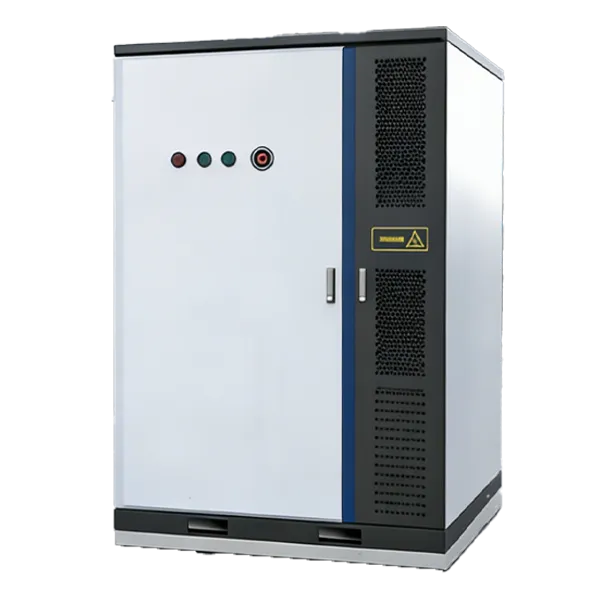
At TREASURE, we are actively developing systems that combine:
- Energy storage
- Smart control
- Flexible deployment
This creates a new ecosystem of charging solutions tailored for modern energy demands.
Perguntas Frequentes
What is the difference between a power bank and a portable charger?
A power bank is a type of portable charger that stores energy and allows you to charge devices later. All power banks are portable chargers, but not all portable chargers are battery-based.
What is mobile EV charging?
Mobile EV charging refers to portable systems that deliver energy directly to an electric vehicle without requiring a fixed charging station.
How fast can mobile charging systems charge devices?
It depends on the system. Some offer 3A fast charging or higher, while industrial systems can deliver high-power EV charging.
Why are mobile charging solutions important for businesses?
They reduce infrastructure costs, improve operational efficiency, and enable flexible energy delivery—especially for fleets and industrial operations.

 Robôs Móveis de Carregamento de VE
 Fonte de Alimentação de Emergência Montada em Veículo
 Sistemas de Armazenamento de Energia
 Catálogo de Carregadores DC de VE
 Equipamento de Carregamento V2V DC