When vehicles need power but no charger is nearby, downtime grows, routes break, and customer service suffers. That problem gets worse for fleets, depots, ports, malls, and emergency teams. The practical answer is mobile EV charging: power that moves to the vehicle instead of waiting for the vehicle to move to power.
Mobile EV charging is an on-demand and flexible charging solution that brings energy directly to an electric vehicle, often through battery-powered mobile units with fast-charging capability. It helps fleets, parking operators, and service providers reduce delays, avoid heavy civil work, improve uptime, and support charging in places where a fixed charging station is limited, busy, or not yet built.
What is mobile EV charging and why is it growing so fast?
At its core, mobile EV charging means taking the charger to the vehicle instead of relying only on a fixed site. In practice, that can mean a battery-powered robot, a vehicle-mounted emergency charging unit, or other mobile charging units designed to deliver power where it is needed. TREASURE’s product line includes mobile charging robots, vehicle-mounted emergency power systems, V2V charging equipment, and integrated energy storage systems for B2B projects.
The market is growing because the broader EV market is growing fast. The IEA reports that global public charging points passed 5 million, and more than 1.3 million public charging points were added in 2024 alone. That growth is impressive, but it also shows the pressure on charging infrastructure. More EVs on the road mean more peak-time demand, more waiting, and more need for flexible mobile charging options that can support sites before or alongside permanent infrastructure.
For many operators, traditional ev charging is necessary but not enough. A fixed charger works best when parking behavior is predictable, power capacity is ready, and every bay can justify hardware and installation cost. Real operations are messier. That is where mobile charging technology creates value.
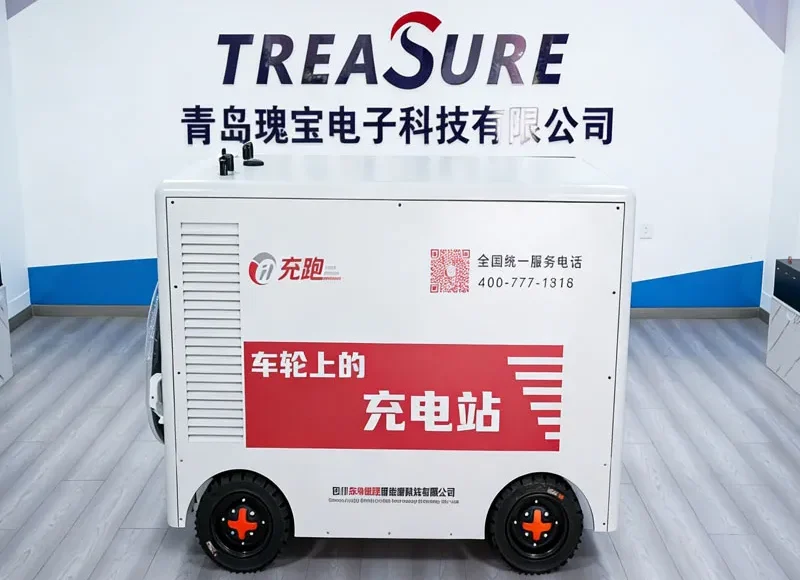
How does a mobile charging robot work in daily operations?
A typical mobile system is not just a battery on wheels. It is an integrated charging technology package. TREASURE describes its 150kWh mobile charging robot as a high-capacity unit that combines large-capacity energy storage, intelligent scheduling, and high-power fast charging for roadside assistance, appointment-based services, and parking lot operations.
In a daily workflow, the process is simple:
- Charge the unit during planned hours, often off-peak
- Dispatch it to the vehicle that needs energy
- Deliver fast charging or a temporary top-up
- Return the system to standby for the next task
That operating logic matters. It means mobile ev chargingallows energy to be moved in time and place. It also means site operators can build service models around real traffic patterns. For example, a mall can offer on-demand charging during busy hours. A depot can move power to the rows where vehicles actually park. A service team can use emergency roadside response for stranded vehicles.
What problems does mobile EV charging solve for EV charging service providers?
The biggest value of a strong ev charging service is not only electricity. It is uptime, convenience, and response speed. A fixed site can still face blocked bays, overloaded periods, weak utilization in low-demand hours, or expansion delays while permits and construction are still pending. A mobile charging service can fill those gaps.
TREASURE’s pages highlight practical use cases such as shopping malls, office buildings, depots, ports, terminals, and service stations. The site also points to real project situations where mobile charging robots were used to help address queueing and peak demand at energy stations. That is important because it shows how mobile ev charging solutions can work as an operational tool, not just a concept.
For an operator, the benefits are direct:
- Better use of existing parking space
- Lower dependence on a fixed charging station in every bay
- Faster launch of a new ev charging service
- Improved charging experience for users
- Backup power when ev charging stations are full or unavailable
This is especially relevant where you need charging station nearby performance without actually building a charger in every location.
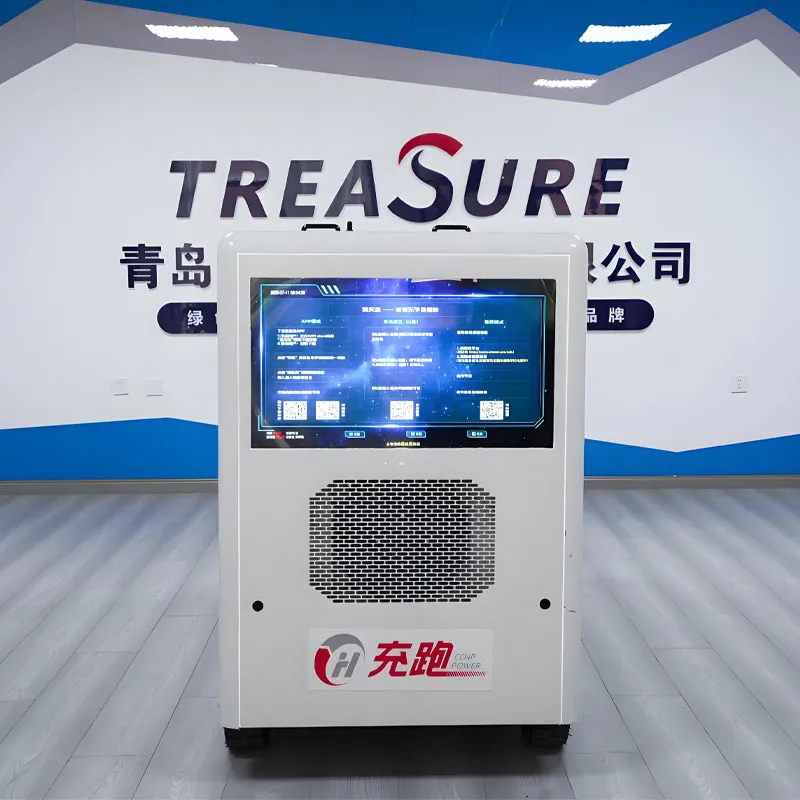
Is mobile EV charging a good fit for roadside charging and emergency roadside assistance?
Yes, and this is one of the clearest use cases. TREASURE’s 150kWh mobile robot page says the system is designed for roadside charging assistance, appointment-based service, parking-lot value-added operations, emergency rescue, and temporary events. It specifically lists highway support and emergency roadside ev charging among the main scenarios.
When an electric vehicle runs low far from a charger, the problem is not theoretical. The driver needs enough power to continue the trip safely. In that situation, ev roadside charging assistance becomes a premium service. It can help service providers, towing companies, insurance partners, parking operators, and municipal response teams deliver a faster, more modern electric vehicle service.
This is where a reliable mobile ev charging service stands out. Instead of towing first and charging later, the operator may be able to dispatch energy directly. That can reduce recovery time, improve customer satisfaction, and create a new service category for partners that already manage roadside assistance or vehicle support.
Can mobile EV charging support off-grid EV charging and temporary sites?
Absolutely. One of the strongest advantages of mobile electric vehicle charging is flexibility in locations where permanent power is hard to deploy. TREASURE’s materials mention temporary events, municipal power use, remote charging scenarios, and situations where traditional charging infrastructure is not available. The company also positions mobile systems alongside stationary BESS, PV, and EMS coordination.
That makes off-grid ev charging especially relevant in these environments:
- Construction and infrastructure sites
- Ports and rail yards
- Remote logistics areas
- Temporary event venues
- Early-stage parking projects
- Disaster response zones
The IEA PVPS report on PV-powered charging stations also notes the importance of microgrid-based charging, photovoltaic integration, and intelligent energy management for charging infrastructure. In simple terms, mobile and modular systems fit naturally into distributed energy projects.
For B2B buyers, this matters because the business case is often not just “charge a car.” It is “keep operations moving before the final site is fully built.”

How do mobile EV charging solutions integrate with BMS, EMS, and site energy systems?
This is where advanced suppliers stand apart from simple equipment sellers. TREASURE explicitly states that its systems can coordinate with depot energy management systems, stationary BESS, PV, and the grid to optimize energy cost and charging schedules. That is a major point for professional buyers.
In a modern energy project, a charger is not isolated. It sits inside a wider system:
- Battery PACKs store energy
- BMS protege y equilibra la batería
- EMS programa la carga y la descarga
- Las herramientas en la nube ayudan a rastrear el rendimiento
- Las reglas del sitio deciden quién recibe la energía primero
Eso significa que las soluciones de carga móvil pueden formar parte de una estrategia de carga escalable más amplia. Un depósito de flota puede cargar los robots fuera de horario pico. Un sitio de microrred puede usar energía solar más almacenamiento para alimentar cargadores móviles de baterías. Una propiedad comercial puede desplegar unidades móviles mientras planifica actualizaciones permanentes. Así es como las soluciones de carga diseñadas para proyectos B2B crean valor más allá de una sesión de carga.
¿Dónde la carga móvil de VE genera el mejor retorno de inversión?
El ROI más fuerte a menudo aparece donde el estacionamiento es denso, la infraestructura es desigual o la demanda de cargadores cambia por hora. TREASURE destaca depósitos logísticos, flotas corporativas y gubernamentales, aeropuertos, puertos, terminales ferroviarias, centros comerciales y estaciones de servicio como aplicaciones típicas.
En estos entornos, el retorno puede provenir de varios lugares a la vez:
- Menores trabajos civiles en comparación con agregar un cargador fijo en cada bahía
- Despliegue más rápido de un nuevo servicio
- Mayor tiempo de actividad del vehículo
- Mejor uso de la energía fuera de horario pico
- Nuevos ingresos premium por el servicio de carga de VE a demanda
- Reducción de la presión de las colas en estaciones de carga de VE fijas
Una buena regla es simple: si tus vehículos se mueven más de lo que tu diseño de estacionamiento puede predecir, o si la demanda de tus cargadores aumenta bruscamente en ciertos momentos, mobile ev charging puede valer la pena una evaluación seria.
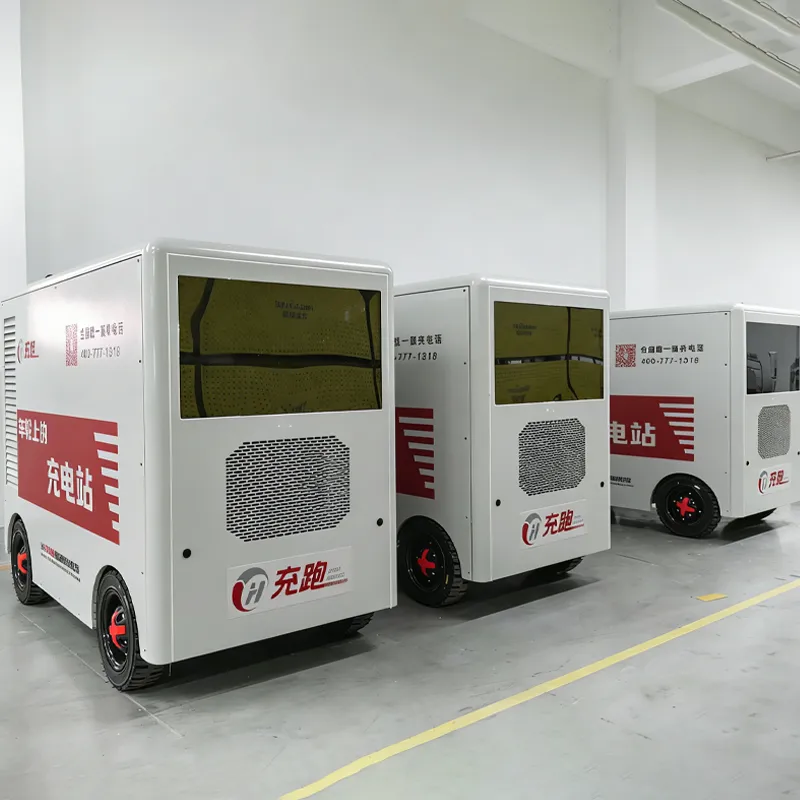
¿En qué se diferencia TREASURE como fabricante y proveedor de soluciones de carga móvil para VE?
TREASURE no se posiciona como un vendedor de un solo producto. Su sitio web presenta un portafolio completo que incluye sistemas de almacenamiento de energía en baterías, BESS tipo gabinete, cargadores móviles para VE, dispositivos V2V, estaciones de carga de VE, paquetes de baterías y software BMS/EMS/nube. La página principal describe a la empresa como un fabricante de soluciones de almacenamiento de energía y carga móvil para VE para proyectos B2B, con más de 10 años de experiencia en sistemas de baterías y electrónica de potencia.
Eso importa porque muchos compradores no quieren solo una caja con ruedas. Quieren soluciones para flotas. Quieren un proveedor que entienda el almacenamiento de energía, la seguridad de las baterías, la integración de software y la entrega de proyectos. TREASURE también afirma que mantiene pasos clave de producción in-house para tener un mejor control de calidad y una respuesta más rápida.
Para un comprador extranjero, esa combinación puede ser útil:
- Un socio para almacenamiento, carga y lógica de control
- Flexibilidad OEM/ODM
- Soporte práctico para proyectos industriales e infraestructurales
- Una gama de productos que puede crecer desde respuesta de emergencia hasta soluciones completas de carga de flotas
Preguntas frecuentes
¿En qué se diferencia la carga móvil de VE de una estación de carga normal?
Una estación de carga fija permanece en un lugar. La carga móvil de VE lleva la energía al vehículo. Eso la hace útil para depósitos, sitios de estacionamiento, proyectos temporales y soporte de emergencia donde un cargador permanente es limitado o no está disponible.
¿La carga móvil de VE es solo para asistencia en carretera de emergencia?
No. Funciona para uso de emergencia, pero también admite carga rutinaria en depósitos, servicios de centros comerciales, operaciones de eventos y entornos de estacionamiento mixtos. TREASURE destaca específicamente el soporte en carretera, el servicio con cita y la carga de valor agregado en estacionamientos.
¿La carga móvil de VE es compatible con todas las marcas principales de VE?
La compatibilidad de conectores depende de la configuración y el estándar del mercado. Los compradores B2B deben confirmar el tipo de conector, rango de voltaje, nivel de potencia y requisitos regionales antes del despliegue. TREASURE también ofrece opciones OEM/ODM para configuraciones específicas del mercado.
¿La carga móvil es adecuada para una flota de vehículos eléctricos?
Sí, especialmente cuando una flota utiliza patrones de estacionamiento cambiantes, depósitos compartidos, bahías temporales o tiempos de retorno escalonados. Puede reducir la necesidad de un cargador en cada bahía y mejorar el tiempo de actividad con un despacho más flexible.
¿La carga móvil puede funcionar con sistemas solares y de almacenamiento de energía?
Sí. TREASURE afirma que sus robots pueden coordinarse con BESS estacionarios, PV, EMS y el suministro de red para optimizar programaciones y costos de energía. Eso hace que los sistemas móviles sean una opción fuerte para proyectos de energía solar con almacenamiento y microrredes.
¿Qué debo enviar a un proveedor antes de pedir una propuesta?
Envía tus tipos de vehículos, kilometraje diario, distribución del estacionamiento, tamaño de la flota, ventana de carga, necesidades de conectores y condiciones de energía locales. TREASURE solicita estos detalles porque ayudan a definir la configuración y la lógica del servicio correctas desde el principio.

 Robots móviles de carga de vehículos eléctricos
 Fuente de alimentación de emergencia montada en el vehículo
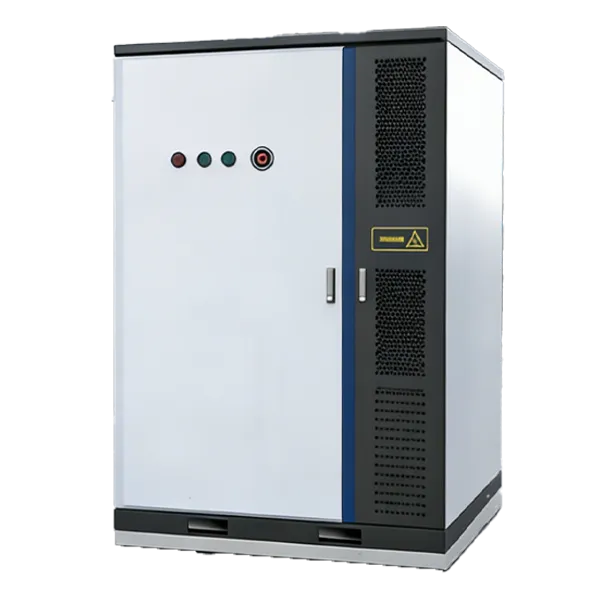 Sistemas de almacenamiento de energía
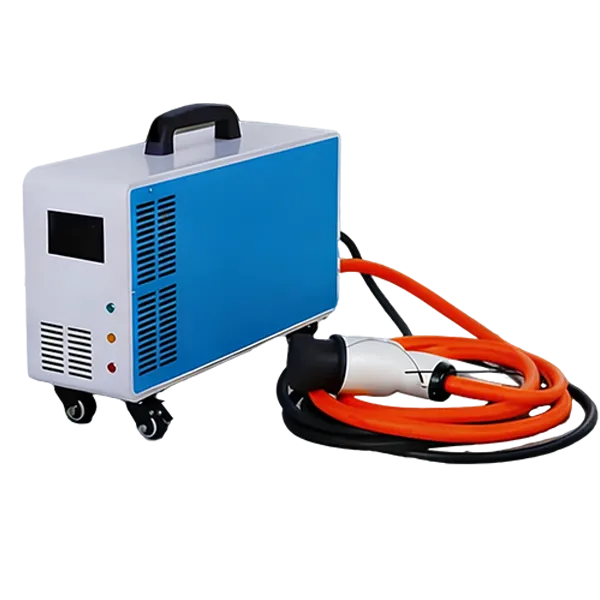 Catálogo de cargadores de CC para VE
 Equipo de carga de CC V2V