High electricity bills and unstable power can disrupt your business. Adding solar may help, but its output may not match your busiest hours. A well-designed energy storage system can close that gap—provided its size, controls, and operating plan fit your site.
Choose a battery energy storage system by reviewing your load profile, electricity tariff, required power, usable capacity, and backup needs. Then compare safety documentation, controls, installation requirements, warranties, and service. The best choice matches your operating goals and delivers measurable value under real site conditions.
What Is an Energy Storage System, and What Can It Do?
Un sistema di accumulo di energia captures energy and makes it available later. For electricity users, it can help manage when power comes from the grid, local generation, or stored reserves. Its value depends on timing. You may want to reduce a short demand peak, use afternoon solar after sunset, or supply selected loads during an outage. Each goal creates different design needs.
A battery energy storage system, often called BESS, combines electrochemical cells with equipment that controls, protects, and converts their output. It can store energy from the grid or suitable generation equipment. It does not create free electricity. Charging, conversion, cooling, and other processes consume some of the input. A sound proposal accounts for those losses.
According to the U.S. Energy Information Administration’s storage overview, storage can support electricity delivery at the required time and help coordinate generation resources. For your business, the practical question is simple: which costly or disruptive power problem should the project solve first? That answer should guide its size and operating rules.

How Does a Battery Storage System Work?
To understand how a battery storage system works, follow its charging and discharge cycle. During charging, electrochemical reactions store electrical energy as chemical energy. During discharge, the reactions make power available to an external circuit. A battery does not simply hold electricity inside a box; it stores energy through its materials and chemistry.
The power conversion system, or PCS, manages the exchange between the DC equipment and an AC network where required. Conversion systems must match the site voltage, frequency, and intended operating modes. The BMS monitors the cells and helps protect them. The EMS coordinates dispatch, using inputs such as tariffs, load readings, available solar, and reserve targets.
The wider energy system also includes meters, switchgear, communications, thermal controls, and protection. These parts need to work together. The U.S. Department of Energy’s solar and storage basics explains the electrochemical process. When comparing suppliers, ask for a clear diagram showing how their equipment connects to your site and who controls each operating mode.
| Component |
Main function |
Buyer question |
Useful evidence |
| Cell modules and packs |
Store and release energy |
What capacity is usable? |
Model-specific technical data |
| BMS |
Monitor and protect cells |
Which alarms and limits apply? |
Protection and interface documents |
| PCS |
Manage power conversion |
Which modes and ratings are supported? |
Performance and compatibility data |
| EMS |
Coordinate operating rules |
Can it follow our tariff and load targets? |
Functional demonstration |
| Thermal and safety equipment |
Manage operating conditions |
What does the complete installation require? |
Design documents and test reports |
Which Types of Energy Storage Systems Should You Compare?
The different types of energy storage serve different tasks. Batteries suit many facility projects, but other storage technologies may fit larger sites, longer discharge periods, or heat demand. Some methods store energy in the form of chemical reactions; others use height, pressure, heat, or motion. Compare the service you need before comparing technology labels.
For example, pumped hydro storage moves water uphill and later releases it through turbines. Compressed air energy storage uses pressurized air, while thermal energy storage holds heat or cooling for later use. In flywheel energy storage systems, input power is converted into kinetic energy in a rotating mass. Their site requirements differ greatly from those of an industrial cabinet. DOE describes these mechanisms in its technology introduction.
Among battery technologies, lithium-ion batteries include several chemistries with different characteristics. Flow batteries circulate electrolytes and use a different design approach. Hydrogen storage can involve electrolysis, fuel handling, and later electricity generation. Choosing a type of energy storage means comparing the complete installation, maintenance needs, efficiency, space, and duration. A technology that suits large-scale storage may be impractical for a warehouse.
| Technology |
How energy is held |
Potential application |
Main project consideration |
| Lithium-ion |
Electrochemical reactions in cells |
Commercial and industrial facilities |
Chemistry, thermal design, duty cycle |
| Flow batteries |
Electrolytes in tanks |
Projects exploring longer discharge periods |
Pumps, tanks, space, maintenance |
| Pumped hydro |
Water at elevation |
Large-scale energy storage |
Geography and infrastructure |
| Thermal |
Heat or cooling in a medium |
Thermal loads and certain generation systems |
Match with the end use |
| Hydrogen |
Chemical energy storage in fuel |
Longer-duration and integrated fuel projects |
Conversion chain and handling |
This overview of sistemi di accumulo di energia is a starting point. For a facility buyer, usable output and lifecycle support matter more than choosing the newest technology.

What Role Does Storage Play in Renewable Energy Integration?
Solar output follows daylight and weather. Your production schedule may follow something else entirely. A solar energy storage system can store excess energy when generation exceeds site consumption and release it when energy is needed. This helps make better use of renewable energy without assuming that production and consumption always occur together.
Its role in renewable energy integration depends on the controls. A solar battery storage system may prioritize self-consumption, export limits, or a reserve for critical loads. Those goals can compete. Saving a reserve may reduce the amount available for evening use. The integration of renewable energy sources therefore needs a clear priority order, not just connected equipment.
DOE notes that batteries commonly pair with photovoltaic plants. For your project, compare energy generated by the array with interval load data across seasons. Renewable energy sources like solar can reduce imported electricity, while storage shifts its timing. Efficient use of renewable energy depends on sizing and dispatch; an oversized installation may have too few useful cycles to justify its cost.
How Do You Size Power and Storage Capacity?
Power and energy describe different things. Kilowatts, or kW, describe the rate of delivery. Kilowatt-hours, or kWh, describe an amount of energy. A high-power device may discharge for a short time. A larger energy reserve may support a smaller load for longer. You need both ratings to judge a proposal.
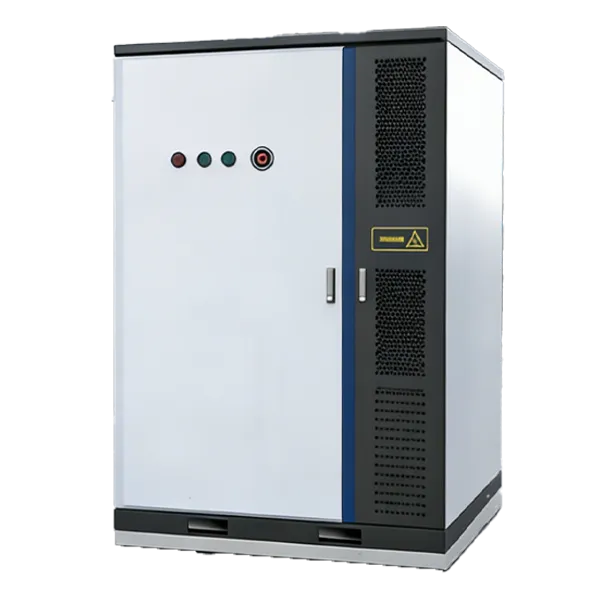
TREASURE’s 100 kW / 233 kWh integrated cabinet provides a concrete example. Dividing the published nominal energy by rated power gives 233 ÷ 100 = 2.33 hours. This is an idealized energy-to-power calculation, not a guaranteed runtime. Actual delivery depends on usable limits, losses, auxiliary consumption, conditions, and the state of charge when discharge begins.
Next, examine your energy demand over time. Request meter readings at an interval suitable for your tariff and engineering study. Identify peak size, peak duration, seasonal changes, and critical-load requirements. The NREL commercial storage model treats energy and power as distinct sizing factors.
| Target |
Assumed requirement |
Initial calculation |
Further review needed |
| Limit a peak |
60 kW for 2 hours |
120 kWh delivered |
Losses, reserve, tariff interval |
| Support selected loads |
40 kW for 3 hours |
120 kWh delivered |
Starting loads and backup architecture |
| Shift solar output |
150 kWh per day |
150 kWh delivered |
Seasonal surplus and charging time |
Where Are Commercial and Industrial Battery Storage Systems Useful?
A commercial energy storage system can support offices, shopping facilities, warehouses, and other managed properties. Typical goals include limiting grid peaks and moving purchases between tariff periods. Battery storage for commercial building projects needs coordinated metering and operating rules, especially when tenants, shared services, and EV charging have different schedules.
An industrial energy storage system requires a close look at machines and production cycles. Battery storage for factory projects may target a short startup peak, a repeated process load, or selected backup circuits. Motors, compressors, and sensitive equipment create different requirements. Storage systems help balance energy supply and demand, but they cannot replace an assessment of fault protection and electrical compatibility.
A microgrid energy storage system must coordinate generation, loads, and grid connections. Systems are used in both connected and islanded arrangements, depending on their design. Battery storage for data center applications needs additional care: continuity requirements may call for UPS equipment, redundancy, and verified transfer performance. For battery storage for solar power plant projects, examine grid requirements and dispatch obligations separately from behind-the-meter facility savings.
Cabinet and container formats also differ. A containerized energy storage system describes an enclosure approach; it does not prove capacity or grid-support functions. A grid scale energy storage system requires project-specific engineering. TREASURE’s published product range should be the starting point for a configuration discussion rather than an assumption that every format is available.
How Can Storage Improve Energy Management and Charging Operations?
Effective energy management coordinates charging and discharge around your goals. You may set a grid import limit, reserve threshold, or schedule. The storage system can then provide energy as needed within its available power and charge limits. Good controls also prevent a new peak when the equipment recharges. Review the full daily profile, not only the discharge period.
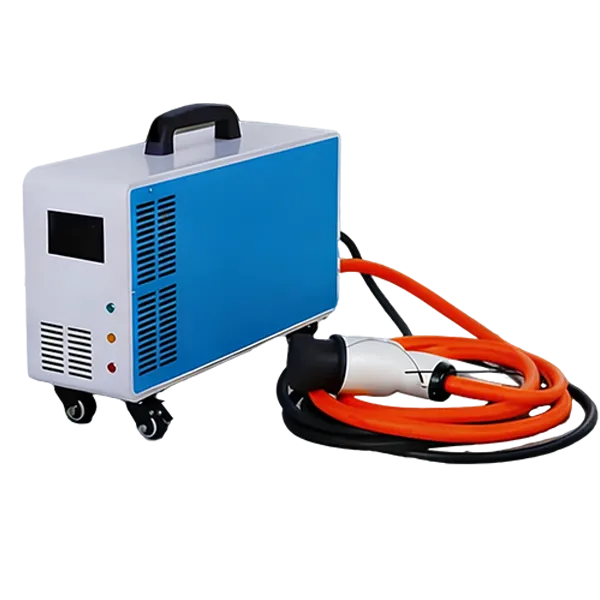
EV charging adds another variable. Fleet arrival times, departure targets, and charger ratings influence the power system. TREASURE’s wider portfolio includes mobile charging equipment, portable DC chargers, vehicle-mounted emergency units, and V2V devices. These products serve different purposes. A stationary reserve manages site power, while a mobile unit takes energy to a vehicle. Our mobile charging range supports that separate deployment discussion.
Evaluate energy efficiency through measured input and output at an agreed boundary. Round-trip efficiency is the ratio of useful output to input, as explained in NREL’s storage reference. Storage systems help reduce purchased power at selected times, but they also add losses. Claimed savings need a tariff model, operating schedule, and realistic allowance for aging.
What Should You Check for Safety and Long-Term Reliability?
Safety starts with the selected cells and extends through the complete installation. Battery storage technologies need suitable monitoring, protection, thermal control, and fault response. A lithium battery energy storage system should come with model-specific documents explaining its limits. If you need a LiFePO4 energy storage system, request confirmation of the chemistry; the product title alone is insufficient.
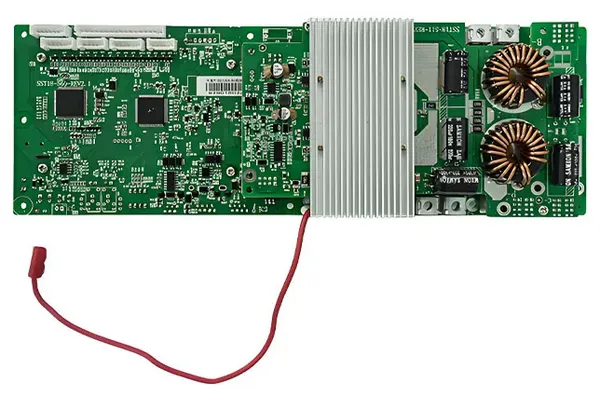
TESORO’s GB-BMS management platform publishes voltage and temperature monitoring, balancing, and communication functions. These features support system supervision, but a BMS is one part of the design. The complete storage system also needs appropriate installation, protective coordination, service access, and operating procedures.
For market-specific compliance, ask which documents apply to the exact configuration. UL Solutions’ testing and certification guidance describes UL 9540 as a system safety standard. UL 9540A addresses thermal-runaway fire propagation testing. These references are not a claim that any TREASURE model holds those approvals. Your project team should verify applicable requirements and the supplier’s supporting evidence.
Before ordering, clarify:
- Warranty limits, including time, throughput, and retained capacity.
- Cooling equipment maintenance and replacement access.
- Alarm handling, remote access, and software responsibilities.
- Spare-part supply and escalation procedures.
- Factory and site acceptance tests.
- Training and handover documentation.
How Do You Compare Energy Storage Solutions and Suppliers?
Compare proposals against the same assumptions. Include equipment, installation, controls, testing, servicing, and expected replacement expenses. Energy cost savings depend on the tariff and operating rules. A low purchase price may lose its appeal if integration is incomplete or service access is poor. Ask suppliers to separate guaranteed specifications from model assumptions.
At TREASURE, our B2B offering combines packs, BMS/EMS management, customized equipment, and deployment support. Our company profile explains this integrated approach. We recommend discussing the complete scope: interfaces, local conditions, commissioning responsibilities, and long-term monitoring. Turnkey delivery works best when both parties define what the package includes before an order.
The future of energy will involve several storage solutions. Long-duration energy requirements may favor different designs from short peak control. Changes in the global energy landscape also affect tariffs and operating value. Select energy storage technologies around a defined service, then compare suppliers on evidence. Effective energy storage systems need a workable commercial plan as well as dependable hardware.
FAQ
Can storage replace the grid connection?
Sometimes it can support an off-grid design, but this requires enough generation, reserve, and suitable controls. Energy storage systems are used for many services. A standard grid-connected installation does not automatically provide islanded operation.
Can a storage system supply backup power during an outage?
Only if the equipment and site architecture support it. Confirm isolation, transfer time, protected circuits, starting loads, and restart behavior. Sustainable energy goals do not remove the need to verify continuity performance.
How much renewable energy can we use after adding storage?
It depends on surplus generation, load timing, usable reserves, and losses. Systems offer a way to store energy for later use, but the amount needs modeling. Check the efficient use of renewable energy over a full year.
Is the highest energy density always the best choice?
No. Footprint matters, but so do safety, life, maintenance, and output. Evaluate the battery against the actual operating cycle. Clean energy objectives need equipment that remains practical to operate.
What information should we send for a quotation?
Provide interval loads, bills, tariff details, site drawings, supply ratings, generation data, and backup targets. Include EV schedules if relevant. These inputs help shape energy storage projects around measurable needs.

 Robot di ricarica mobile per veicoli elettrici
 Alimentazione di emergenza montata sul veicolo
 Sistemi di accumulo di energia
 Catalogo dei caricatori EV DC
 Apparecchiature di ricarica V2V in corrente continua