EV drivers need power, but fixed charging stations are not always near the route, warehouse, fleet yard, parking lot, or emergency site. That gap creates downtime, missed schedules, and user frustration. A mobile EV charging station solves this by bringing a charger directly to where the vehicle needs to charge.
A mobile EV charging station is a movable EV charger system that provides flexible EV charging without relying only on fixed public charging stations. It can include a portable DC fast charger, mobile DC fast charger, vehicle-mounted emergency power unit, mobile charging robot, or V2V charging equipment for fleets, roadside support, commercial buildings, and temporary charging needs.
What Is a Mobile EV Charging Station?
A mobile EV charging station is a movable charging system designed to charge an electric vehicle without depending on a permanent fixed charging station. Instead of asking EV drivers to search for public charging, the charger moves to the vehicle. This makes it useful for road trips, parking facilities, warehouses, EV fleet yards, rental operators, rescue teams, and commercial sites that need fast deployment.
A mobile EV charger can take several forms. Some units are compact portable chargers. Some are portable DC fast charger systems. Some are battery-powered mobile charging robots. Others are vehicle-mounted emergency power units built into a van, truck, or service vehicle. TREASURE focuses on these B2B charging solutions for real operating sites, not just home charging.
For business users, the main value is simple: charge anywhere, reduce downtime, and keep operations moving. When a fleet vehicle, delivery van, electric car, or service EV cannot reach a fixed DC fast charging point, a mobile DC fast charger can provide a practical backup. It is not only a charger for EV users; it is an operational tool.
Why Are Mobile EV Charging Solutions Becoming Important?
EV adoption is growing, but charging infrastructure does not always grow at the same speed. According to the International Energy Agency, global public charging points reached more than 7 million at the end of 2025, and nearly 1.8 million public charging points were added that year. That growth is strong, but many sites still face a real problem: the charger is not always where the EV needs it.
This is especially true for commercial EV users. A factory may need EV charging for forklifts, service cars, and logistics vehicles. A warehouse may need emergency charge support. A parking facility may need temporary charging during peak demand. A fleet operator may need a charger before a full charging station project is approved. A mobile EV system fills the gap.
Public charging is useful, but it can create delays when chargers are busy, offline, too far away, or not compatible. Mobile charging gives businesses more control. It supports rapid charging, emergency support, and flexible deployment. For many B2B buyers, this is not about replacing all public charging stations. It is about adding a backup and a flexible layer to the charging system.
How Does a Portable DC Fast Charger Work?
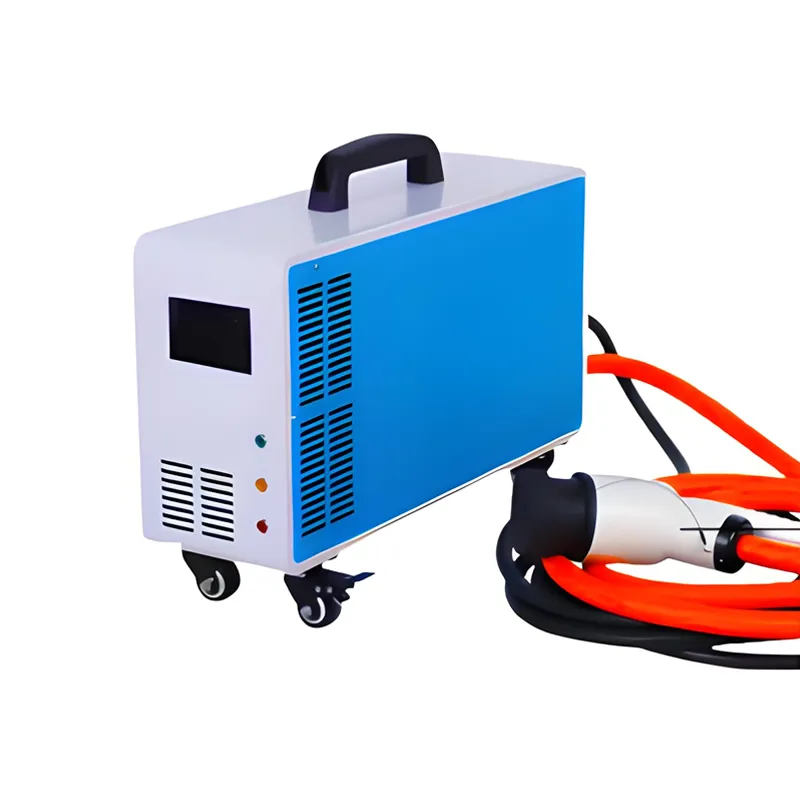
A portable DC fast charger sends direct current power to the EV battery. This is different from AC chargers, where the vehicle’s onboard charger must convert AC power into DC. With DC fast charging, the charger handles that conversion and sends DC power directly to the battery system. This improves charging speed compared with many AC charging options.
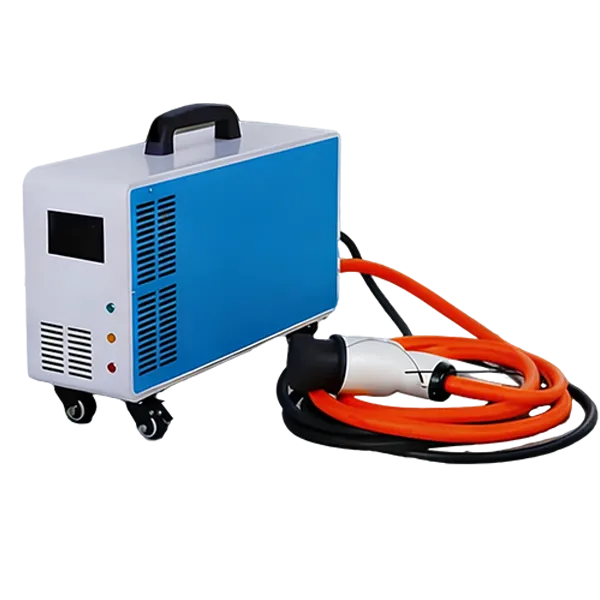
A portable DC charger may connect to grid power, a battery pack, or an integrated energy storage system. For example, TREASURE provides portable DC EV charger options such as 7kW and 20kW systems for commercial and emergency use. These systems can support operators who need a compact DC EV charger for flexible service instead of a large fixed charging station.
A mobile DC fast charger often includes power electronics, battery modules, a charging cable, a connector, cooling design, safety protection, BMS, EMS, and a control interface. In simple words, it must manage power, protect the battery, communicate with the EV, and deliver reliable charging wherever you need it.
Simple Charging Flow
- The operator moves the charger to the EV.
- The user connects the charging cable and correct connector.
- The charger communicates with the vehicle.
- The system checks safety conditions.
- The DC fast charger starts power delivery.
- The BMS and EMS monitor temperature, voltage, current, and charging status.
- The EV receives energy until the target charge level is reached.
That is the basic idea. Smart design makes it safe, stable, and easy to use.
Mobile DC Fast Charger vs Fixed EV Charging Station: What Is the Difference?
A fixed EV charging station is installed in one place. It is useful for public charging, shopping centers, highway service areas, office buildings, and fleet depots. A mobile DC fast charger, however, can move between sites, parking spaces, or emergency locations. This makes it more flexible when the charging demand changes.
A fixed DC fast charger may offer higher power output, such as 60kW, 120kW, or more. It can serve many EVs every day when traffic is steady. But installation and setup may require site planning, grid connection, permitting, trenching, civil work, and a longer project timeline. A mobile EV charger can often be deployed faster, especially when the buyer needs temporary, emergency, or backup charging.
The best choice depends on your use case. Many companies use both. Fixed charging handles routine demand. Mobile charging handles peak demand, emergency service, temporary projects, and hard-to-reach vehicles.
Where Can a Mobile EV Charger Be Used?
A mobile EV charger works best where charging demand is real but fixed infrastructure is not enough. This includes both planned operations and unexpected situations. For example, a logistics company may need a backup charger for EV fleet vehicles. A commercial building may need temporary EV charging during a pilot project. A roadside service company may need a vehicle-mounted emergency charger to help EV owners who cannot reach public fast chargers.
TREASURE designs charging solutions for factories, warehouses, commercial buildings, EV fleets, parking facilities, microgrid projects, and OEM partners. These users often need more than a simple charger. They need a complete charging system that can support safety, power control, remote monitoring, and future expansion.
Common Application Scenarios
- Fleet yards: Charge delivery vans, service vehicles, and electric logistics vehicles.
- Parking facilities: Add temporary EV charging without major construction.
- Roadside assistance: Use vehicle-mounted emergency power to recharge stranded EVs.
- Warehouses: Support forklifts, electric trucks, and staff EVs.
- Commercial buildings: Offer flexible charging before permanent charging infrastructure is ready.
- Events and exhibitions: Provide on-the-go charging for short-term demand.
- Microgrid projects: Combine EV charging with clean energy and energy storage.
- OEM testing: Support product trials, field tests, and special vehicle development.
A portable EV charger is not only for one electric car. In commercial EV operations, it becomes a tool for business continuity.
What Power Level Should You Choose: 7kW, 20kW, or Higher?
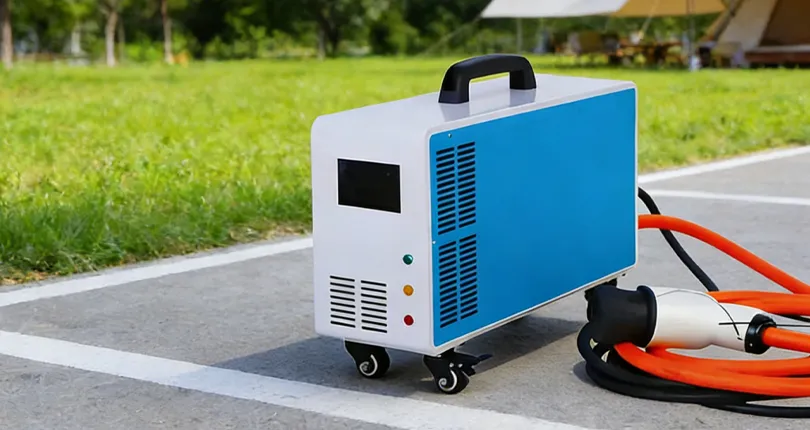
The right charger type depends on the vehicle, battery size, use case, available power, and expected charging speed. A 7kW portable DC EV charger may be suitable for light service support, demonstration use, small parking operations, or controlled charging where time is less urgent. A 20kW portable DC fast charger can provide stronger performance for fleet backup, emergency charge service, and commercial use.
Higher-power systems, such as 60kW or 120kW DC fast charger solutions, can support faster charging and higher daily use. But higher power also means more cost, more heat, more grid demand, and more planning. Bigger is not always better. The smart choice is the one that matches the site’s real charging pattern.
What Should Buyers Know About Installation and Setup?
Installation and setup for a mobile EV charging station are usually easier than a fixed DC fast charging site, but planning still matters. You should check the power source, grounding, ventilation, operation area, weather protection, parking layout, cable reach, and user safety. For battery-based units, you also need to plan how the system itself will recharge.
A fixed EV charging station may require more civil work and grid approval. The U.S. Department of Energy notes that public charging hosts often consider Level 2 and DC fast charging, while installation cost can vary based on geography, trenching, wiring, labor, permitting, and power upgrades. Mobile charging helps reduce some of this pressure, but it does not remove the need for safe electrical design.
For B2B deployment, TREASURE usually recommends a project-based review. We look at site power, daily EV charging demand, vehicle routes, number of EVs, charging window, and emergency needs. From there, we can suggest a portable DC charger, mobile charging robot, vehicle-mounted emergency unit, V2V charging equipment, or integrated energy storage system.
Setup Questions to Ask Before Buying
- How many EVs need to charge per day?
- What is the target charge time?
- Is the system used daily or only for emergency backup?
- Is the site indoor, outdoor, or roadside?
- What power input is available?
- Do you need public charging payment functions?
- Is remote monitoring required?
- Should the system connect to an EMS or fleet platform?
- Do you need OEM branding or custom enclosure design?
Good setup starts before the charger is shipped.
How Can BMS, EMS, and Energy Storage Improve EV Charging?
A mobile EV charging system is stronger when it includes smart battery and power management. BMS means battery management system. It monitors battery voltage, current, temperature, state of charge, and safety limits. EMS means energy management system. It helps manage power flow, charging schedule, battery use, grid input, and operating strategy.
For commercial charging, BMS and EMS are not small details. They affect safety, efficiency, and long-term battery health. A well-designed system can support optimal charging, reduce power stress, improve uptime, and help operators understand system performance. This is important for fleet managers and system integrators who need data, not guesswork.
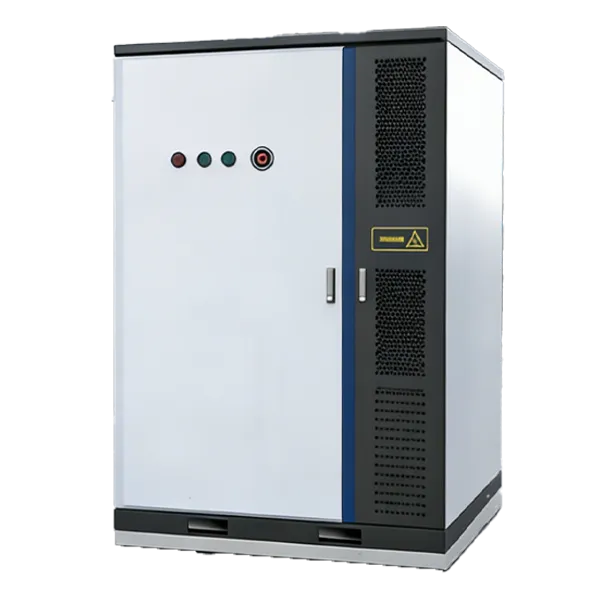
Energy storage can also improve EV charging. A battery energy storage system can store power during low-demand periods and release it during charging demand. This helps reduce peak load pressure and supports clean energy integration, such as solar energy. For microgrid projects, this can make EV charging more flexible and stable.
How to Choose a Reliable Mobile EV Charging Station Manufacturer?
Choosing the right manufacturer matters because EV charging is a safety and uptime business. A low-quality charger may look fine at first, but problems can appear in heat control, connector durability, software stability, communication errors, battery protection, or after-sales support. For commercial EV users, these problems cost time and money.
A reliable manufacturer should offer engineering support, customization, safety design, testing, and deployment guidance. TREASURE provides B2B charging solutions that include mobile charging robots, portable DC fast chargers, vehicle-mounted emergency power units, V2V charging equipment, battery packs, BMS/EMS management, and turnkey project support. This helps customers avoid buying separate parts that do not work well together.
When we work with overseas customers, we focus on real operating needs first. A factory needs a different system from a roadside rescue operator. A parking lot needs a different charging plan from an EV fleet depot. An OEM partner may need private-label design, connector customization, or system integration. The best charger is the one that fits the job.
What Is the Future of Mobile EV Charging?
The future of EV charging will not be one-size-fits-all. Home charging, workplace charging, public charging, fleet depot charging, and mobile charging will all play roles. Public charging stations will keep expanding, but mobile EV charging will become more important for emergency support, fleet flexibility, remote operations, and temporary demand.
As charging infrastructure grows, businesses will also care more about uptime, data, and control. This means more demand for networked chargers, OCPP support, EMS platforms, remote diagnostics, and battery-based charging systems. Open Charge Alliance explains that OCPP helps charging stations communicate with central systems and supports interoperability between different charge points and management platforms.
In the next stage, mobile charging will connect more closely with energy storage, solar power, microgrids, and fleet management software. It will not only charge EVs. It will help businesses manage power. That is the real value.
For companies planning EV fleet expansion, the message is clear: do not wait until charging becomes a bottleneck. Build flexibility early.
FAQs
Is a mobile EV charging station the same as a portable EV charger?
Not always. A portable EV charger is usually smaller and may provide AC or DC charging. A mobile EV charging station is a broader system. It can include a portable DC fast charger, battery energy storage, a mobile charging robot, a trailer unit, or a vehicle-mounted emergency power system.
Can a mobile DC fast charger replace a fixed charging station?
It can replace a fixed charging station in some temporary or emergency cases, but most commercial sites use both. Fixed chargers handle routine charging. Mobile DC fast charger systems handle backup, peak demand, special events, and vehicles that cannot move easily.
What vehicles can use a portable DC EV charger?
A portable DC EV charger can support many EVs if the voltage range, connector, and protocol match the vehicle. Buyers should confirm compatibility before ordering. Common connector options include CCS, CHAdeMO, and NACS/J3400 depending on the market.
Is 20kW enough for commercial EV charging?
A 20kW portable DC fast charger is useful for emergency charging, fleet backup, roadside service, and mobile commercial use. It is not as fast as a high-power public DC fast charger, but it offers a strong balance of mobility, power, and practical deployment.
Does frequent DC fast charging affect battery life?
Frequent DC fast charging can create more heat and stress than slower charging, so smart control matters. A good BMS, EMS, thermal design, and charging strategy help protect long-term battery health. For fleets, charging should match the vehicle duty cycle.
Can TREASURE customize a mobile EV charging station?
Yes. TREASURE can customize power level, battery capacity, connector type, enclosure, user interface, BMS/EMS functions, communication options, and OEM branding. The system can be designed for factories, warehouses, commercial buildings, parking facilities, EV fleets, microgrid projects, and emergency rescue use.

 Mobile EV Charging Robots
 Vehicle-Mounted Emergency Power Supply
 Energy Storage Systems
 EV DC Chargers Catalog
 V2V DC Charging Equipment