A combined solar, storage, and EV charging system is a site design where PV generation, a battery energy storage cabinet, and EV charging equipment share one electrical and control architecture instead of operating as three separate installations. The storage layer buffers solar output against charging demand; no single catalog product covers the full combination as one SKU.
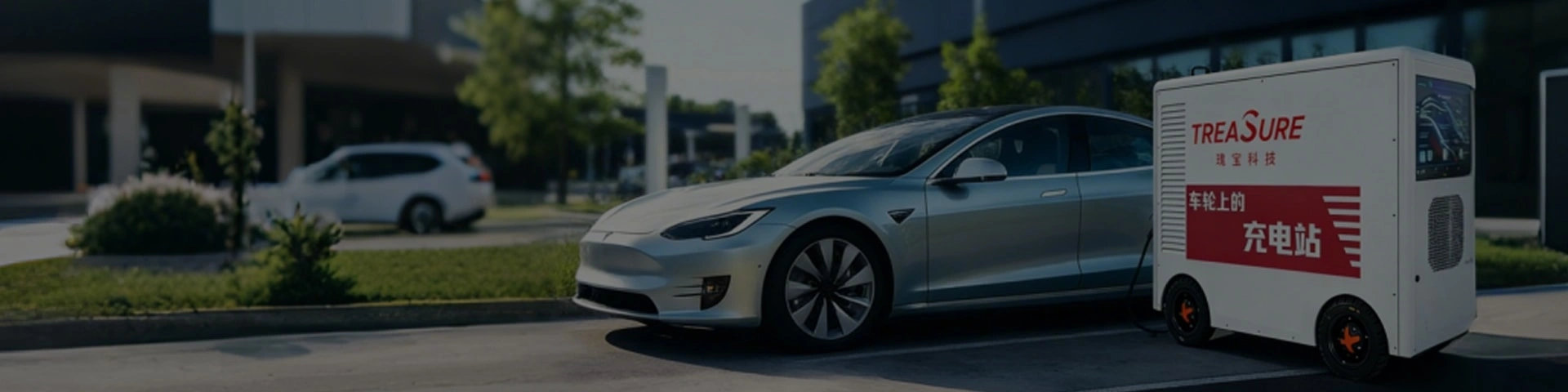
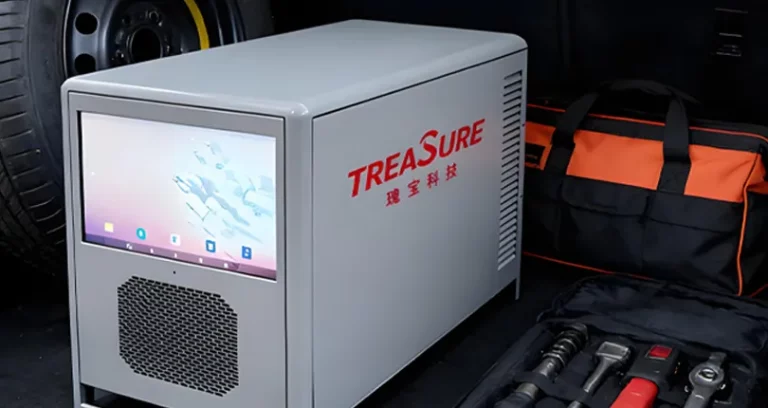
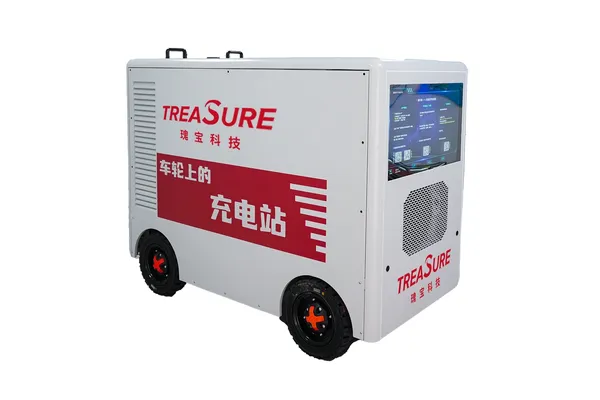
TREASURE's Vehicle-Mounted Emergency Power Supply line covers three disclosed configurations — 20 kWh, 40 kWh, and 150 kWh — built for roadside and depot charging where no fixed charger exists. The 150 kWh version delivers up to 80 kW at 200–1000 V output. Commercial availability across the full range has not been confirmed by TREASURE.
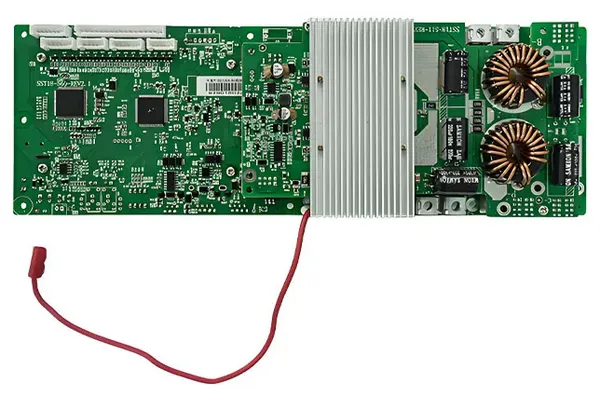
An energy management system decides when a battery charges, discharges, or idles. It reads grid status, load demand, and battery state data, then sends dispatch commands to inverters and PCS units over Modbus or CAN. It does not manage individual cell voltages — that's a separate layer entirely.
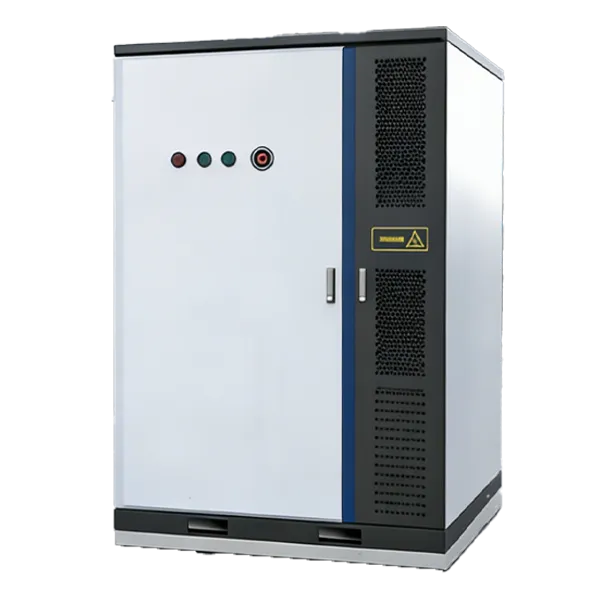
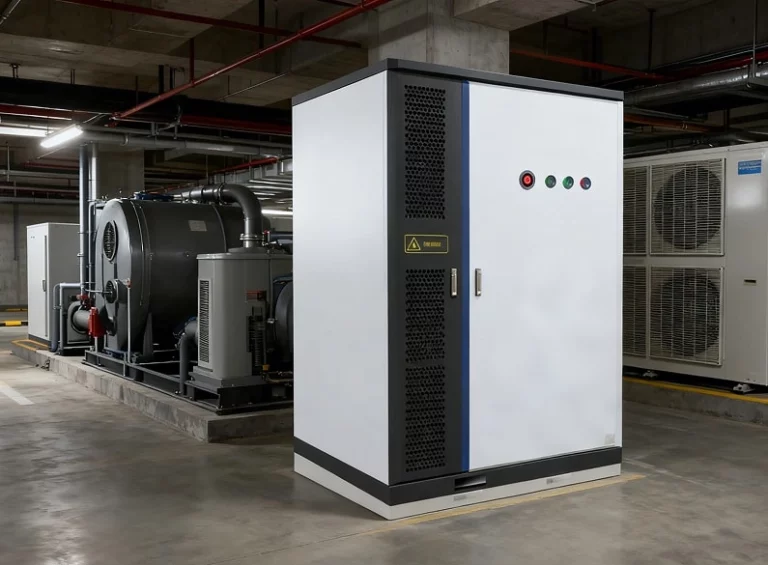
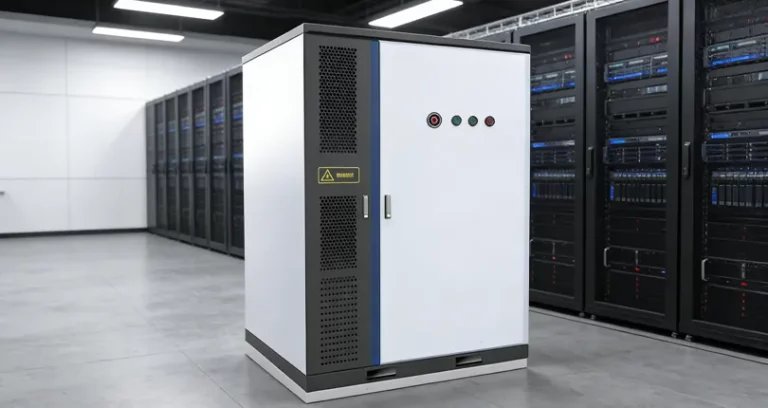
TREASURE's Commercial and Industrial Integrated Energy Storage Cabinet Series ships in two disclosed configurations: 100 kW / 233 kWh and 135 kW / 261 kWh. Both use lithium iron phosphate cells and support grid-connected, off-grid, or solar-plus-storage operation, scalable to multi-MW projects.
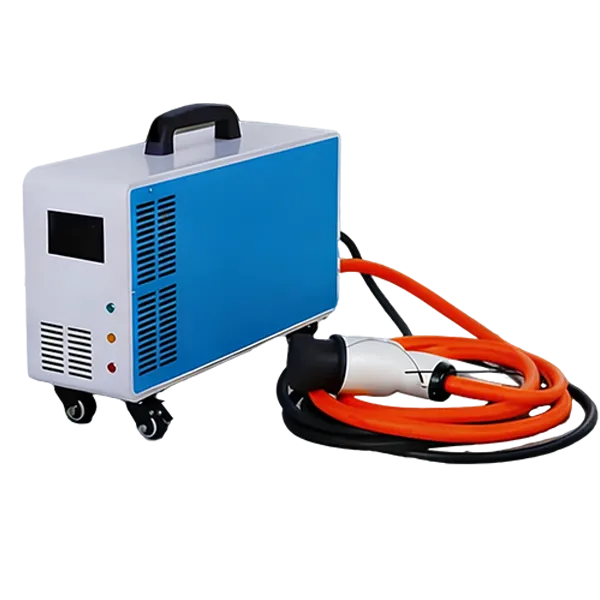
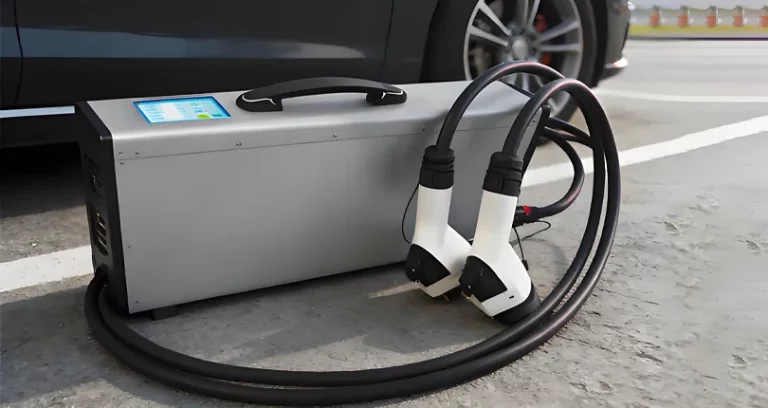
Ein V2V-Gleichstromladegerät (Vehicle-to-Vehicle) überträgt gespeicherte Energie direkt von der Batterie eines Elektrofahrzeugs in die eines anderen, ohne dass dabei die feste Netzinfrastruktur durchlaufen wird. Die V2V-Gleichstromladegerät-Serie von TREASURE umfasst drei Leistungsstufen – 20 kW, 40 kW und 60 kW – in mobiler oder stationärer Ausführung, die auf einer je nach Einsatzfall konfigurierbaren bidirektionalen Energieübertragung basieren.
Eine mobile Ladelösung für Elektrofahrzeuge ist eine batteriegestützte Ladeeinheit, die Energie außerhalb der Spitzenlastzeiten speichert und an Fahrzeuge abgibt, wo auch immer diese geparkt sind – ohne dass an jedem Stellplatz ein eigener Netzanschluss erforderlich ist. Für Depotbetreiber, die mit Platz- oder Kapazitätsengpässen konfrontiert sind, fungiert sie als mobile Ladeinfrastruktur, die sich an den jeweiligen Standort verlegen lässt, anstatt fest in Beton gegossen zu werden.